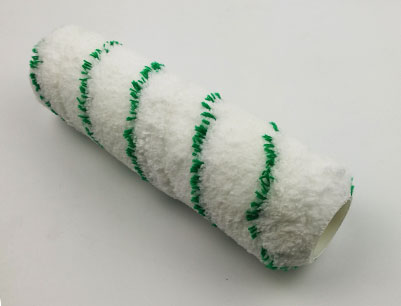


Safety Tips for Using Large Paint Rollers in Commercial Spaces
Jan. 14, 2026Introduction
Painting commercial spaces can be a demanding and complex task. Large walls, high ceilings, and expansive floors require tools like large paint rollers to complete projects efficiently. However, the larger the roller, the more attention must be paid to safety and proper handling.
Using large rollers without the right precautions can lead to injuries, property damage, or subpar paint results. This guide covers essential safety tips for professional painters and contractors working in commercial environments.
1. Wear Proper Personal Protective Equipment (PPE)
Safety begins with personal protection. Painters using large rollers should always equip themselves with:
Gloves: Protect hands from paint, solvents, and rough roller handles.
Safety Goggles: Prevent paint splatters from reaching eyes.
Dust Masks or Respirators: Essential when painting in poorly ventilated areas or using paints with VOCs (volatile organic compounds).
Protective Clothing: Long sleeves and overalls reduce skin exposure and prevent stains.
2. Ensure Stable Work Platforms
Commercial projects often require working on ladders, scaffolding, or elevated platforms. To minimize risks:
Use Ladder Stabilizers or Scaffoldings: Large rollers can be heavy, and extended arms increase the risk of falls.
Check Surfaces: Ensure floors or platforms are clean, dry, and free of debris.
Maintain Three-Point Contact: Always have two hands and one foot, or two feet and one hand, in contact with the ladder while reaching with the roller.
3. Choose the Right Roller Size and Handle
Oversized rollers may increase efficiency but also increase physical strain and risk of accidents if mishandled.
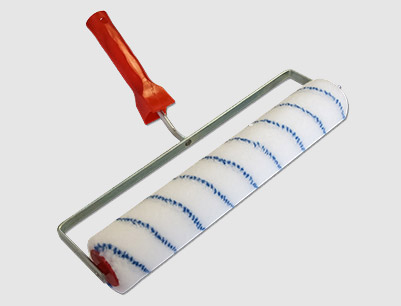
Select the Appropriate Roller Width: A 12–18 inch roller is ideal for large surfaces but should not exceed a manageable size for the painter.
Use Telescopic or Adjustable Handles: Reduces overreaching and awkward positioning.
Check Roller Frames: Ensure frames are sturdy and not bent, as wobbling can lead to accidents.
4. Mind Your Paint Load
Overloading a large roller can cause paint drips, splatter, and loss of control, especially when working overhead:
Load Moderately: Dip the roller into the tray and roll off excess paint.
Avoid Excessive Weight: Heavy rollers can strain shoulders and elbows, increasing the risk of injury.
Use Extension Poles Safely: Secure connections to prevent the roller from slipping or detaching mid-use.
5. Maintain Proper Body Mechanics
Painting large commercial surfaces often involves repetitive motions and long stretches. Poor technique can cause fatigue, strain, or injury.
Keep Elbows Slightly Bent: Avoid locking joints while rolling.
Alternate Hands if Possible: Reduces fatigue and distributes workload evenly.
Take Breaks: Frequent short breaks prevent overexertion and maintain precision.
Use Legs and Core: When reaching high walls, engage your legs and core rather than stretching the back excessively.
6. Ensure Adequate Lighting and Ventilation
Commercial spaces can have dimly lit areas or poor airflow, which increases risk:
Lighting: Proper lighting prevents accidental spills or missed areas.
Ventilation: Ensures fumes from paints or solvents do not accumulate, reducing respiratory hazards.
Emergency Exits: Keep pathways clear in case of accidents.
7. Inspect Equipment Before Use
Routine inspections prevent accidents caused by equipment failure:
Check Rollers and Handles: Look for cracks, bends, or loose fittings.
Extension Poles: Make sure locking mechanisms are secure.
Paint Trays and Buckets: Ensure stability and avoid tipping hazards.
8. Plan Your Workflow for Safety
Large commercial projects benefit from strategic planning to reduce risks:
Clear Work Areas: Remove furniture, cords, and obstacles.
Coordinate Team Movements: Ensure multiple painters in the same area do not collide.
Follow Building Safety Protocols: For public or occupied spaces, schedule work during off-hours when possible.
9. Clean-Up Safety Tips
Handling cleaning materials improperly can lead to slips or chemical exposure:
Use Proper Disposal Methods: Dispose of paint residues and cleaning solvents according to local regulations.
Avoid Slippery Floors: Clean spills immediately to prevent accidents.
Store Rollers and Ladders Safely: Prevent tripping hazards when the workday ends.
10. Training and Awareness
Finally, safety is most effective when combined with proper training:
Painter Training Programs: Offer instruction on large roller handling, ladder safety, and ergonomics.
Emergency Procedures: Make sure all workers know what to do in case of an accident or exposure to paint chemicals.
Continuous Improvement: Encourage workers to report hazards and suggest safer techniques.
Conclusion
Large paint rollers are invaluable for speed, efficiency, and quality in commercial painting projects. However, without proper safety measures, their benefits can come at the cost of injuries, accidents, or property damage.
By wearing proper PPE, maintaining equipment, practicing correct techniques, and planning workflows strategically, painters can maximize efficiency while minimizing risk. Safety and productivity go hand in hand—especially when working on large-scale commercial spaces.