

The Complete Guide to Bristle Paint Brushes: Types, Uses, Manufacturing, and How to Choose the Best One
Dec. 09, 2025Bristle paint brushes remain one of the most essential tools in painting, decorating, woodworking, and industrial coating applications. Despite the rise of spray systems and foam applicators, nothing matches the precision, control, and surface adaptability that a well-designed bristle brush offers. Whether you are a professional contractor, a DIY enthusiast, or a procurement manager sourcing bulk paint tools, understanding the differences between bristle types, brush construction, performance characteristics, and application techniques can significantly impact project quality and efficiency.
This comprehensive guide explores everything you need to know about bristle paint brushes—from natural vs synthetic bristles to ferrule construction, brush shape selection, durability factors, and how manufacturers ensure quality. By the end, you will have a clear understanding of what makes a bristle paint brush effective and how to choose the right one for your specific needs.
What Is a Bristle Paint Brush?
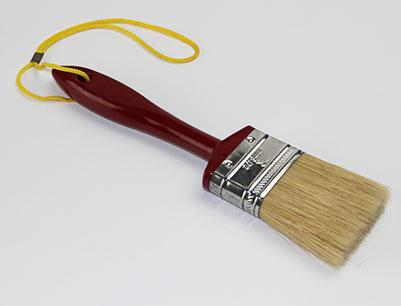
A bristle paint brush is a hand tool designed to apply coatings such as paints, stains, varnishes, lacquers, adhesives, and sealants. The brush head contains numerous bristles fixed into a ferrule and attached to a handle. While simple in appearance, a high-quality brush is the result of carefully engineered materials and construction methods.
A bristle brush must perform several key functions:
It should hold an adequate amount of coating, release it smoothly and evenly, maintain shape during application, and withstand solvents or water without deforming. The best brushes balance stiffness, flexibility, and durability while retaining precision at the tip.
Natural Bristle vs Synthetic Bristle: What’s the Difference?
Bristle paint brushes can generally be divided into two categories—natural bristle and synthetic bristle. Each type has its own performance characteristics, ideal applications, and behavior with different coating systems.
Natural Bristle Brushes
Natural bristle brushes are traditionally made from hog hair, badger hair, or other animal fibers. These bristles contain split ends—called “flagging”—which help them hold more paint and deliver a finer finish. Natural bristles are commonly used with oil-based coatings because they absorb and release these materials exceptionally well.
Key advantages include excellent paint-holding capacity, smooth application, and superior performance in varnishing and wood finishing. However, natural bristles are not suitable for water-based paints because they absorb water, soften, and lose shape.
Synthetic Bristle Brushes
Synthetic bristle brushes use materials like nylon, polyester, or blends of both. Modern synthetic fibers can be engineered to mimic the flagging of natural bristles while offering better versatility and durability.
Synthetic bristles maintain stiffness in humid conditions, resist deformation from water-based paints, and are easy to clean. They are ideal for acrylics, latex paints, water-based varnishes, and most modern coating systems.
Why the Quality of Bristle Paint Brushes Matters
A professional-grade paint brush directly impacts coating performance, project speed, and finish quality. Inferior brushes produce streaks, shed bristles, hold less paint, and require more effort to achieve a smooth surface. For procurement teams or distributors, sourcing high-quality brushes also reduces customer complaints and ensures consistent product reliability.
A high-quality bristle brush offers:
Consistent paint delivery without excess dripping
A smooth, even finish with fewer visible strokes
Long-term durability across multiple projects
Resistance to shedding and bristle breakage
Comfortable handling for extended use
Enhanced control for edging, detailed work, or wide-area coating
These features make the brush not just a tool but an investment in workmanship and professional results.
Understanding Brush Shapes and Their Applications
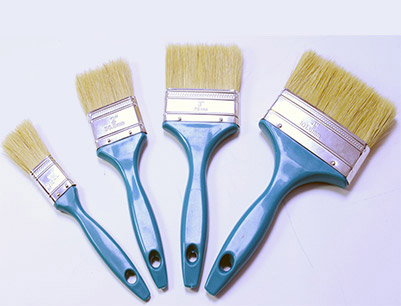
Bristle paint brushes come in various shapes, each tailored for specific tasks. Choosing the right shape improves efficiency and surface quality.
Flat Brushes
Flat bristle brushes deliver broad coverage and are ideal for large panels, doors, cabinets, and wall sections. Their wide shape allows the user to load more paint and apply it quickly.
Angled (Sash) Brushes
Angled brushes provide enhanced accuracy and are perfect for cutting in around windows, corners, trim, and edges. Their slanted bristle design helps maintain control in tight spaces.
Round Brushes
Round brushes are used for detailed work, such as furniture finishing, craft painting, and sculptural or textured surfaces. They allow for controlled application and intricate strokes.
Filbert Brushes
Filbert-shaped bristles combine the benefits of flat and round brushes, creating smooth blending and soft edges—often used in fine finishing or artistic applications.
How Bristle Paint Brushes Are Manufactured
Behind every good brush is a meticulous production process involving material selection, trimming, flagging, ferrule construction, and handle shaping.
Bristle Preparation
Natural or synthetic fibers are sorted by length, stiffness, and consistency. For advanced applications, manufacturers blend different fibers to optimize performance for specific coating types.
Tipping and Flagging
High-end brushes undergo precision tipping and flagging, which create fine split ends. These micro-fragments increase paint absorption and ensure a smooth, controlled release.
Ferrule Assembly
Ferrules—usually made of stainless steel, nickel-plated steel, or brass—secure the bristles and prevent shedding. High-quality ferrules are corrosion-resistant and firmly crimped to maintain stability.
Handle Construction
Handles may be made of wood, plastic, or composite materials. Balanced weight and ergonomic shape improve comfort and reduce fatigue, especially for professional painters.
Final Trimming and Inspection
The brush head is shaped, trimmed, and tested. A quality manufacturer checks alignment, density, bristle retention, and overall finish to guarantee dependable performance.
Choosing the Right Bristle Paint Brush for Your Application
Selecting the right brush depends on the coating type, surface material, desired finish, and project scale.
For Oil-Based Paints
Natural bristle brushes are the preferred choice because they maintain strength and flexibility in oil-based solvents, producing a classic, smooth finish.
For Water-Based Paints
Synthetic nylon or polyester brushes are recommended. They resist water absorption, maintain bristle memory, and reduce swelling or deformation.
For Rough Surfaces
Choose a brush with stiff bristles that can push paint into textured areas like bricks or unfinished wood.
For Fine Finishing
Select a soft, flagged brush with precision trimming to achieve a smooth, streak-free appearance on furniture or cabinetry.
For Large-Area Projects
A wide flat brush speeds up coverage while minimizing visible brush marks.
Maintenance Tips to Extend Brush Lifespan
Proper care ensures a bristle paint brush performs well across numerous projects. Many users underestimate the importance of maintenance, leading to premature wear.
Clean the brush immediately after use with the appropriate solvent.
Comb out excess paint to prevent hardened buildup inside the bristles.
Shake off moisture and reshape the bristles before storing.
Store brushes vertically or hang them to maintain bristle alignment.
Avoid soaking brushes for long periods, as this weakens the ferrule and adhesive.
With good care, a high-quality brush can last for years, delivering consistent results.
Why Bristle Paint Brushes Remain the Professional’s Choice
Even with the growing popularity of rollers and sprayers, bristle paint brushes remain indispensable. They offer unmatched control, versatile application, and the ability to deliver fine finishes that machines cannot replicate. For woodwork, trim, cabinetry, detailing, and high-quality decorative coatings, professionals continue to rely on bristle brushes for their precision and tactile feedback.
For procurement teams and bulk buyers, understanding these brush attributes is essential for sourcing reliable products that meet professional expectations and align with market demand.
Final Thoughts
A bristle paint brush may appear simple, but behind its performance lies a careful balance of material science, craftsmanship, and engineering. Choosing the right brush—whether natural or synthetic—can elevate project quality and efficiency. For professionals, DIY painters, or distributors, investing in a well-made bristle brush is a decision that pays off in performance, durability, and customer satisfaction.