

Can Microfiber Rollers Speed Up Painting Work?
Sep. 09, 2026When it comes to painting large surfaces, speed and efficiency are major concerns for professional painters, contractors, and DIY users. Choosing the right roller cover can significantly affect how quickly paint can be applied, how much area can be covered, and the final finish quality.
Microfiber paint rollers have become increasingly popular because they combine excellent paint absorption, smooth application, and reduced splattering. But can microfiber rollers really speed up painting work? The answer is yes — when selected and used correctly.
This article explains how microfiber rollers improve painting efficiency and why they are preferred for many professional applications.
1. What Are Microfiber Rollers?
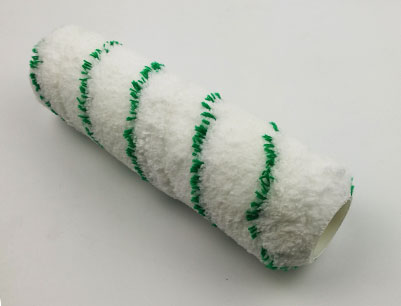
A microfiber roller is a paint roller cover made from ultra-fine synthetic fibers that are much thinner than traditional polyester or foam materials.
The fine fiber structure creates thousands of small channels that help the roller:
Hold more paint
Release paint evenly
Reduce dripping and splashing
Create a smoother coating surface
Microfiber rollers are commonly used for:
Interior wall painting
Ceiling coatings
Furniture finishing
Industrial coatings
Water-based and solvent-based paints
2. Do Microfiber Rollers Really Make Painting Faster?
Yes. Microfiber rollers can speed up painting work in several ways.
1. Higher Paint Holding Capacity
One of the biggest advantages of microfiber rollers is their ability to carry more paint compared with standard roller covers.
A high-quality microfiber roller absorbs paint evenly throughout the fiber structure, allowing painters to cover a larger surface area before reloading.
Benefits include:
Fewer trips to the paint tray
Reduced working interruptions
Faster completion of large projects
For commercial painting projects where hundreds or thousands of square meters need to be coated, reducing reload frequency can significantly improve productivity.
2. Faster Paint Application With Consistent Coverage
Traditional rollers may release paint unevenly, requiring additional passes to correct thin areas or roller marks.
Microfiber rollers provide:
Uniform paint distribution
Consistent film thickness
Fewer touch-up areas
This allows painters to maintain a steady working speed while achieving professional results.
3. Why Are Microfiber Rollers More Efficient Than Traditional Rollers?
Compared with standard polyester or foam rollers, microfiber rollers offer several performance advantages.
| Feature | Microfiber Roller | Standard Roller |
|---|---|---|
| Paint capacity | High | Medium |
| Paint release | Very even | Can vary |
| Splatter control | Excellent | Moderate |
| Finish quality | Smooth | Depends on material |
| Suitable coatings | Wide range | Limited depending on type |
| Professional use | High | General applications |
The microfiber structure allows better control over paint flow, which helps reduce wasted paint and unnecessary corrections.
4. How Much Faster Can Microfiber Rollers Paint?
The actual speed improvement depends on:
Surface condition
Paint type
Roller size
Painter experience
Coating thickness requirements
However, microfiber rollers can improve productivity by:
Reducing paint reload frequency
Minimizing rework caused by uneven coverage
Allowing smoother continuous rolling
For professional contractors, these small efficiency improvements can save significant labor time on large projects.
5. Are Microfiber Rollers Better for Large Areas?
Yes. Microfiber rollers are especially effective for large flat surfaces.
Recommended applications include:
Walls and Ceilings
Microfiber rollers provide smooth coverage with fewer roller marks, making them suitable for interior decoration projects.
Commercial Buildings
For offices, hotels, warehouses, and industrial facilities, microfiber rollers help painters complete large areas faster.
Spraying and Rolling Applications
Some professional coating systems combine spray application with back rolling. Microfiber rollers are often selected because they distribute coatings evenly without damaging the sprayed layer.
6. What Types of Paint Work Best With Microfiber Rollers?
Microfiber rollers are versatile and can be used with many coatings.
Water-Based Paints
Suitable for:
Latex paint
Acrylic paint
Emulsion coatings
The fine fibers help prevent uneven absorption and provide smooth finishes.
Oil-Based Paints
High-quality microfiber rollers can also work with:
Alkyd coatings
Enamel paints
Protective finishes
They help maintain consistent application without excessive texture.
Industrial Coatings
Microfiber rollers are commonly used for:
Epoxy coatings
Floor coatings
Protective paints
The correct nap length should be selected according to coating thickness and surface texture.
7. What Roller Nap Length Should I Choose?
The nap length affects paint coverage and surface texture.
Short Nap (3–6 mm)
Best for:
Smooth walls
Metal surfaces
Cabinets
Fine finishes
Advantages:
Minimal texture
Smooth appearance
Precise coating control
Medium Nap (8–12 mm)
Best for:
Interior walls
General painting
Slightly textured surfaces
Advantages:
Good balance between coverage and finish
Long Nap (15 mm+)
Best for:
Rough surfaces
Concrete
Textured walls
Advantages:
Holds more paint
Reaches surface irregularities
8. Do Microfiber Rollers Reduce Paint Waste?
Yes.
Paint waste often comes from:
Excess dripping
Uneven application
Overlapping corrections
Frequent roller loading
Microfiber rollers help reduce waste because they:
Hold paint efficiently
Release paint gradually
Minimize splatter
Improve coating uniformity
For contractors purchasing large volumes of paint, better roller efficiency can also reduce material costs.
9. Do Microfiber Rollers Leave Roller Marks?
When properly used, microfiber rollers produce fewer roller marks compared with many traditional rollers.
Factors affecting the final finish include:
Roller quality
Paint viscosity
Surface preparation
Rolling technique
To achieve the best results:
Avoid overloading the roller
Maintain consistent pressure
Roll in overlapping sections
Do not allow paint edges to dry before blending
10. Are Microfiber Rollers Suitable for Professional Painters?
Yes. Many professional painters choose microfiber rollers because they provide a combination of:
Fast application speed
Smooth finishes
High paint capacity
Reduced splattering
Long service life
They are especially valuable for:
Painting contractors
Construction companies
Facility maintenance teams
Industrial coating specialists
11. How Can I Extend the Life of a Microfiber Roller?
Proper maintenance can significantly increase roller lifespan.
After Water-Based Paint:
Remove excess paint
Wash with clean water
Use mild detergent if needed
Rinse thoroughly
Allow it to dry completely
After Oil-Based Paint:
Remove leftover paint
Use the appropriate cleaning solvent
Wash and dry before storage
Avoid:
Leaving paint inside fibers
Crushing the roller cover
Storing when wet
12. What Should Buyers Look for When Purchasing Microfiber Rollers?
For professional and bulk purchasing, important factors include:
Fiber Quality
High-quality microfiber provides:
Better absorption
More uniform release
Longer durability
Roller Density
Higher fiber density usually improves:
Paint capacity
Coverage efficiency
Finish consistency
Core Construction
A strong roller core ensures:
Stable rotation
Less deformation
Better long-term performance
Customization Options
Professional suppliers may provide:
Different roller sizes
Customized nap lengths
Private labeling
Bulk packaging
13. Are Microfiber Rollers Worth the Investment?
For occasional small painting projects, standard rollers may be sufficient.
However, for professional painters and large-scale projects, microfiber rollers are often worth the investment because they provide:
Faster working speed
Better coating quality
Lower paint consumption
Less labor time
The initial cost may be slightly higher, but improved productivity can offset the difference.
Conclusion
Microfiber rollers can significantly speed up painting work by improving paint loading, reducing reload frequency, and creating more consistent coverage. Their ability to deliver smooth finishes while increasing productivity makes them an excellent choice for professional contractors, distributors, and industrial users.
For businesses purchasing painting tools in bulk, choosing a reliable microfiber roller manufacturer or supplier ensures consistent quality, customized solutions, and better performance across different painting applications.