

What Are the Most Frequently Asked Questions About Bristle Paint Brushes?
Sep. 09, 2026Bristle paint brushes remain one of the most widely used painting tools for professional painters, contractors, artists, and DIY users. Their durability, paint-holding ability, and ability to create different surface finishes make them suitable for coatings, furniture finishing, decorative painting, and industrial applications.
However, many buyers still have questions when choosing and using bristle paint brushes: What type of bristles should I choose? Are natural bristle brushes better than synthetic ones? Which paints work best? How can I extend brush life?
This guide answers the most frequently asked questions about bristle paint brushes and helps you select the right brush for your painting projects.
1. What Is a Bristle Paint Brush?
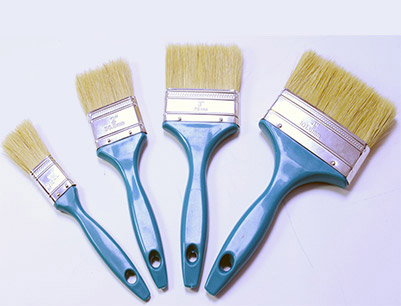
A bristle paint brush is a painting tool made with natural or synthetic bristles attached to a handle through a metal ferrule. The bristles transfer paint from the container to the surface, controlling paint flow, coverage, and finish quality.
Bristle paint brushes are available in different shapes, sizes, and stiffness levels to meet various painting requirements. Common designs include flat brushes, angled brushes, round brushes, and specialty brushes for detailed applications.
The main components include:
Bristles – determine paint pickup, release, and finish quality
Ferrule – secures the bristles and connects them to the handle
Handle – provides control and comfort during painting
2. What Are Bristle Paint Brushes Made Of?
Bristle paint brushes are mainly made from two types of materials:
Natural Bristle Brushes
Natural bristles are commonly made from animal hair, especially hog bristles. They are known for their stiffness, durability, and excellent ability to spread thicker coatings.
Advantages:
Excellent paint-holding capacity
Strong stiffness and control
Creates smooth finishes with oil-based coatings
Suitable for varnishes, stains, and solvent-based paints
Natural bristle brushes are traditionally preferred for oil-based paints because they maintain their shape well when used with solvent-based materials.
Synthetic Bristle Brushes
Synthetic bristles are usually made from materials such as nylon, polyester, or blended fibers.
Advantages:
Better resistance to water absorption
Maintains stiffness with water-based paints
Easy cleaning and maintenance
Longer service life in many applications
Synthetic bristles are often recommended for latex, acrylic, and water-based coatings because they do not absorb water and become soft like some natural fibers.
3. Are Natural Bristle Paint Brushes Better Than Synthetic Brushes?
The answer depends on the type of paint and application.
| Application | Recommended Brush |
|---|---|
| Oil-based paint | Natural bristle brush |
| Wood stain | Natural bristle brush |
| Varnish and lacquer | Natural or high-quality synthetic |
| Latex paint | Synthetic bristle brush |
| Acrylic coating | Synthetic brush |
| Fine decorative work | Soft synthetic or specialized bristle brush |
Natural bristle brushes generally provide excellent control with solvent-based coatings, while synthetic brushes offer better performance with modern water-based paints.
4. What Types of Paint Can Be Used With Bristle Paint Brushes?
Bristle paint brushes can be used with many coating materials, including:
Oil-Based Paints
Natural bristle brushes are especially suitable because the firm fibers provide smooth application and excellent leveling.
Wood Stains and Finishes
Bristle brushes help penetrate stains into wood grain and create even coverage.
Varnishes and Sealers
High-quality bristles help reduce visible brush marks on finished surfaces.
Industrial Coatings
Heavy-duty bristle brushes are often used for protective coatings, maintenance painting, and touch-up applications.
5. How Do I Choose the Right Bristle Paint Brush?
Choosing the right brush depends on several factors:
1. Consider the Paint Type
First identify whether you are using oil-based or water-based coatings.
2. Choose the Correct Brush Size
Common sizes:
1–2 inch brushes: edges, corners, trim work
3 inch brushes: doors, cabinets, medium surfaces
4 inch and larger brushes: large flat areas
3. Select the Right Bristle Stiffness
Soft bristles:
Smooth finishing
Detailed painting
Fine surfaces
Stiff bristles:
Rough surfaces
Thick coatings
Outdoor applications
4. Check Brush Construction
A professional-quality brush usually features:
Dense bristle packing
Secure ferrule attachment
Comfortable handle design
Good bristle retention
6. What Is the Difference Between Black and White Bristle Paint Brushes?
Black and white bristle brushes are commonly associated with different coating applications.
Black Bristle Brushes
Typically used for:
Oil-based paints
Heavy coatings
Exterior applications
Stains
They provide stronger stiffness and good paint control.
White Bristle Brushes
Often selected for:
Smooth finishes
Varnishes
Polyurethane coatings
Fine woodworking
White bristle brushes generally provide a smoother finish compared with stiffer black bristle options.
7. How Long Does a Bristle Paint Brush Last?
The lifespan of a bristle paint brush depends on:
Brush quality
Frequency of use
Type of paint
Cleaning method
Storage conditions
A professional-quality brush can last for years when properly maintained.
Factors that shorten brush life include:
Leaving paint to dry inside the bristles
Using unsuitable solvents
Excessive pressure during painting
Poor storage after cleaning
8. How Should I Clean a Bristle Paint Brush After Use?
Proper cleaning is essential for maintaining bristle performance.
For Water-Based Paints:
Remove excess paint
Wash with warm water and mild soap
Gently separate the bristles
Reshape the brush
Allow it to dry naturally
For Oil-Based Paints:
Remove excess coating
Use the recommended solvent cleaner
Wash with soap afterward
Dry and reshape the bristles
Cleaning brushes immediately after use prevents dried paint buildup and extends brush service life.
9. Can a Dried Bristle Paint Brush Be Restored?
Yes, in many cases.
If paint has hardened inside the bristles:
Soak the brush in an appropriate cleaner
Gently loosen dried paint
Comb through the bristles
Wash thoroughly
Reshape before drying
However, severely hardened paint may permanently damage the brush structure.
10. Why Do Bristles Fall Out From Paint Brushes?
Bristle shedding usually happens because of:
Poor Brush Construction
Low-quality brushes may have weak adhesive bonding.
Excessive Pressure
Pressing too hard during painting can loosen fibers.
Improper Cleaning
Aggressive cleaning methods may damage the bristle base.
Paint Drying Inside the Brush
Dried paint can weaken the connection between bristles and ferrule.
For professional applications, choose brushes with strong ferrule construction and good filament retention.
11. How Should Bristle Paint Brushes Be Stored?
Proper storage helps maintain brush shape.
Recommended methods:
Clean the brush completely
Remove excess moisture
Reshape the bristles
Store in a protective cover
Keep brushes horizontally or hanging when possible
Avoid:
Storing brushes with bent bristles
Leaving brushes submerged in water or solvent for long periods
Storing with leftover paint
Long exposure to water or solvents can damage bristle structure and shorten brush life.
12. Are Bristle Paint Brushes Suitable for Professional Painters?
Yes.
Professional painters often choose bristle brushes because they provide:
Better control
Higher paint capacity
Precise edge cutting
Consistent coating thickness
Long-term durability
They are widely used in:
Residential painting
Commercial decoration
Furniture finishing
Industrial maintenance
Marine coatings
13. What Makes a High-Quality Bristle Paint Brush?
A premium bristle paint brush usually includes:
High-Density Bristles
More bristles allow better paint loading and smoother application.
Strong Ferrule Connection
Prevents bristle loss during repeated use.
Proper Bristle Tapering
Improves precision and reduces visible brush marks.
Comfortable Handle Design
Reduces hand fatigue during long painting projects.
14. Can Bristle Paint Brushes Be Customized for Bulk Orders?
Yes. Many professional brush manufacturers provide customization options for commercial buyers.
Common customization services include:
Custom brush sizes
Different bristle materials
Private label packaging
Customized handles
Logo printing
Special applications
Customized bristle brushes are commonly supplied for:
Paint manufacturers
Hardware distributors
Professional tool brands
Industrial users
Conclusion
Bristle paint brushes remain an essential tool for achieving professional painting results. Understanding the differences between natural and synthetic bristles, choosing the right brush size, and following proper maintenance methods can significantly improve painting efficiency and finish quality.
Whether you are a professional contractor, distributor, or industrial buyer, selecting a reliable bristle paint brush supplier ensures consistent quality, durability, and performance for every project.