

How to Use a 9inch Foam Paint Roller for a Perfect Finish
Mar. 06, 2026Achieving a smooth, professional-quality paint finish depends not only on the type of paint you use but also on the tools you choose. The 9inch Foam Paint Roller is one of the most effective tools for applying thin coatings and creating a flawless, streak-free surface. Because of its dense foam structure, this roller is especially suitable for smooth surfaces, high-gloss paints, varnishes, and decorative finishes.
Whether you are a professional contractor or a DIY painter, learning the correct techniques for using a 9inch Foam Paint Roller can significantly improve the final appearance of your project.
What Is a 9inch Foam Paint Roller?
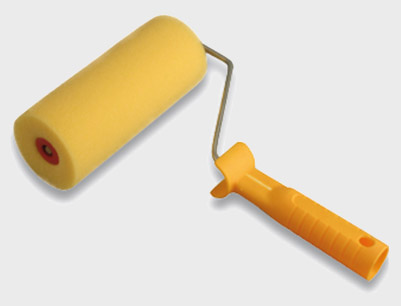
A 9inch Foam Paint Roller is a standard-sized roller designed with high-density foam material instead of traditional fabric nap. The foam surface allows for even paint distribution and minimal texture, making it ideal for applications where a smooth and consistent finish is required.
Unlike traditional rollers, foam rollers are commonly used for:
High-gloss paints
Varnishes and sealants
Oil-based stains
Urethane coatings
Decorative wall glazes
The 9-inch width is widely preferred because it provides a perfect balance between coverage efficiency and control, allowing painters to cover large surfaces while maintaining precision.
Surfaces Best Suited for a 9inch Foam Paint Roller
The 9inch Foam Paint Roller works best on smooth and semi-smooth surfaces. It is commonly used for:
Interior walls with smooth drywall
Cabinets and kitchen furniture
Doors and trim
Wood panels
Metal surfaces
Decorative wall finishes
Because foam rollers produce very little texture, they are not recommended for rough surfaces such as brick, stucco, or heavily textured walls.
Step-by-Step Guide to Using a 9inch Foam Paint Roller
1. Prepare the Surface Properly
Before painting, ensure that the surface is clean, dry, and smooth. Dust, grease, or uneven areas can affect the final finish.
Surface preparation should include:
Cleaning dirt and grease
Filling cracks or holes
Sanding rough areas
Applying primer if necessary
Proper preparation helps the 9inch Foam Paint Roller apply paint evenly and prevents imperfections.
2. Choose the Right Paint or Coating
Foam rollers perform best with thin coatings. Choosing the right type of paint will help achieve a perfect finish.
Recommended coatings include:
Water-based paints
Oil-based paints
Varnishes
Lacquers
Urethane finishes
Decorative glazes
Avoid using very thick paints, as they may create bubbles when applied with a foam roller.
3. Load the Roller Correctly
Proper paint loading is essential when using a 9inch Foam Paint Roller.
Steps to follow:
Pour paint into a roller tray.
Roll the foam roller gently in the paint.
Roll it back and forth on the tray’s ridged surface to remove excess paint.
Ensure the roller is evenly coated but not dripping.
This process ensures consistent paint application and prevents streaks.
4. Apply Paint with Light, Even Pressure
When applying paint, use light and steady pressure. Foam rollers work best when the paint is allowed to spread naturally.
Recommended technique:
Start with a W or M pattern on the wall.
Fill in the gaps using vertical strokes.
Maintain consistent pressure.
Avoid pressing the roller too hard.
Pressing too firmly may cause air bubbles or uneven paint distribution.
5. Roll in One Direction for Final Smoothing
To achieve the best finish, make a final pass in one direction after covering the surface.
This technique helps:
Smooth out roller marks
Remove bubbles
Create a uniform paint layer
Professional painters often call this step “laying off the paint.”
Tips for Achieving a Perfect Finish with a 9inch Foam Paint Roller
Avoid Overloading the Roller
Too much paint can cause drips, bubbles, and uneven coverage. Always remove excess paint in the tray before applying.
Work in Small Sections
Paint areas of about 1–2 square meters at a time. This prevents the paint from drying before smoothing.
Maintain a Wet Edge
Always overlap slightly with the previous section while the paint is still wet. This helps prevent visible lines between sections.
Use High-Quality Foam Rollers
A high-density 9inch Foam Paint Roller provides better durability, smoother finishes, and more consistent results.
Replace Worn Rollers
If the foam becomes damaged or starts to detach from the core, replace the roller to maintain quality results.
Common Mistakes to Avoid
Even though foam rollers are easy to use, certain mistakes can affect the final finish.
Using thick paint
Foam rollers are designed for thin coatings and may produce bubbles with heavy paints.
Applying too much pressure
Excessive pressure compresses the foam and leads to uneven paint layers.
Skipping surface preparation
Poor preparation can cause paint adhesion issues.
Using foam rollers on rough surfaces
This may damage the foam and produce inconsistent results.
Benefits of Using a 9inch Foam Paint Roller
Using a 9inch Foam Paint Roller offers several advantages compared with traditional rollers:
Produces a smooth, professional finish
Ideal for high-gloss and decorative coatings
Reduces lint and fiber shedding
Provides even paint distribution
Lightweight and easy to control
Suitable for professional and DIY painting projects
Because of these benefits, foam rollers are widely used in residential painting, furniture finishing, and industrial coating applications.
Conclusion
The 9inch Foam Paint Roller is an essential tool for achieving a perfect, smooth paint finish on many types of surfaces. By selecting the right paint, preparing the surface properly, and applying correct rolling techniques, painters can achieve professional-level results with minimal effort.
Whether you are working on interior walls, cabinets, furniture, or decorative finishes, mastering the use of a 9inch Foam Paint Roller can greatly improve painting efficiency and overall coating quality.