

Which Industries Commonly Use Bristle Paint Brushes? A Comprehensive Guide
Jul. 08, 2026Bristle paint brushes are among the most versatile and widely used painting tools across numerous industries. Known for their durability, excellent paint-holding capacity, and ability to produce smooth, controlled finishes, they remain an essential choice for professionals despite the availability of rollers and spray equipment.
Whether made with natural bristles for oil-based coatings or synthetic bristles for water-based paints, these brushes are designed to handle a wide variety of painting, coating, staining, sealing, and finishing applications. Their precision and adaptability make them indispensable in sectors ranging from residential construction to heavy industry.
This article explores the industries that commonly use bristle paint brushes, the applications within each sector, and how to select the right brush for different projects.
What Is a Bristle Paint Brush?
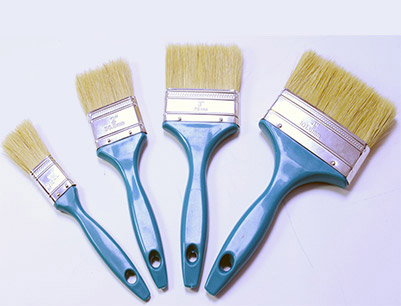
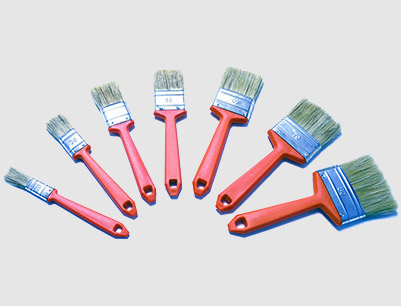
A bristle paint brush consists of a handle, ferrule, and a bundle of bristles that carry and distribute paint or coatings onto a surface.
Depending on the application, bristles may be made from:
Natural animal hair
Nylon
Polyester
Nylon/polyester blends
Specialty synthetic fibers
Natural bristles are generally preferred for oil-based paints, varnishes, and stains, while synthetic bristles are better suited for latex, acrylic, and other water-based coatings because they maintain their shape and stiffness when exposed to moisture.
Why Are Bristle Paint Brushes Widely Used?
Bristle paint brushes continue to be popular because they offer several advantages:
Excellent paint pickup and release
Precise edge control
Smooth, even finishes
Suitable for corners and detailed work
Available in various sizes and shapes
Compatible with different coatings
Durable and reusable with proper care
These qualities make them suitable for both large-scale industrial projects and fine finishing work.
Industries That Commonly Use Bristle Paint Brushes
1. Residential Construction and Home Renovation
The residential construction industry is one of the largest users of bristle paint brushes.
Professional painters and remodeling contractors rely on them for:
Interior wall painting
Ceiling edges
Door and window frames
Baseboards
Trim
Cabinets
Furniture touch-ups
While rollers cover large flat surfaces, brushes are essential for detailed areas where accuracy is required.
Common coatings include:
Latex paint
Acrylic paint
Primers
Wood stains
Polyurethane finishes
2. Commercial Building Construction
Commercial painting projects require tools that can deliver consistent quality while meeting tight project schedules.
Bristle brushes are commonly used for:
Office buildings
Hotels
Shopping centers
Schools
Hospitals
Restaurants
Public facilities
Painters use brushes for:
Cutting in around ceilings
Door frames
Structural steel
Decorative trim
Maintenance painting
3. Furniture Manufacturing
Furniture manufacturers depend on bristle brushes for applying protective and decorative finishes.
Applications include:
Wooden tables
Chairs
Cabinets
Shelving
Decorative furniture
Handmade furniture
Common finishes include:
Wood stains
Clear varnishes
Lacquers
Sealers
Protective coatings
High-quality brushes help minimize visible brush marks while producing smooth finishes.
4. Woodworking Industry
Woodworkers frequently use bristle brushes throughout the production process.
Typical applications include:
Applying stains
Wood preservatives
Protective sealers
Decorative finishes
Wax coatings
Brushes allow users to reach joints, grooves, carved details, and uneven wood grain more effectively than rollers.
5. Automotive Refinishing
Although spray systems dominate automotive painting, bristle brushes remain valuable for many specialized tasks.
Common uses include:
Rust treatment
Primer application
Underbody coatings
Touch-up painting
Adhesive application
Protective coatings
Maintenance workshops also use brushes for applying lubricants, cleaners, and rust inhibitors.
6. Marine Industry
Ships, boats, and offshore structures require regular maintenance to withstand harsh marine environments.
Bristle brushes are commonly used for applying:
Anti-corrosion coatings
Marine primers
Epoxy coatings
Protective paints
Waterproof sealants
They are especially useful for coating welds, corners, edges, and difficult-to-access areas.
7. Metal Fabrication and Industrial Manufacturing
Industrial manufacturers often use bristle brushes during production and maintenance.
Applications include:
Steel structures
Machinery
Equipment frames
Pipelines
Storage tanks
Industrial components
Brushes are ideal for applying:
Anti-rust coatings
Zinc-rich primers
Epoxy paints
Protective finishes
8. Oil and Gas Industry
Oil and gas facilities require heavy-duty protective coatings to prevent corrosion.
Maintenance teams use bristle brushes for:
Pipe joints
Valves
Pumps
Storage tanks
Offshore equipment
Structural steel
Brushes allow workers to coat irregular surfaces where spray equipment is impractical.
9. Infrastructure and Civil Engineering
Infrastructure projects rely on paint brushes for maintenance and protective coating applications.
Examples include:
Bridges
Railways
Highway barriers
Utility poles
Steel structures
Concrete repairs
Brushes help ensure coatings reach corners, bolts, welds, and other complex areas.
10. Aerospace Industry
Aircraft maintenance requires precision during coating and touch-up procedures.
Bristle brushes are used for:
Protective primers
Corrosion-resistant coatings
Component touch-ups
Sealant application
Only approved coatings and specialized brushes are typically used in this highly regulated industry.
11. Decorative Painting and Interior Design
Interior designers and decorative painters use high-quality brushes for detailed finishing work.
Applications include:
Faux finishes
Decorative textures
Accent walls
Murals
Furniture refinishing
Artistic painting
Brush selection directly affects the quality of decorative finishes.
12. DIY and Home Improvement
Homeowners frequently choose bristle brushes for small renovation and maintenance projects.
Popular uses include:
Fence painting
Garden furniture
Doors
Windows
Cabinets
Trim
Home repairs
Brushes are affordable, easy to use, and suitable for many household painting tasks.
Natural vs. Synthetic Bristle Paint Brushes
Choosing the correct bristle type depends on the coating being applied.
| Feature | Natural Bristle | Synthetic Bristle |
|---|---|---|
| Best Paint Type | Oil-based paints, stains, varnishes | Latex, acrylic, water-based paints |
| Paint Holding | Excellent | Excellent |
| Water Resistance | Lower | High |
| Durability | Good | Excellent |
| Flexibility | High | High |
| Finish Quality | Very smooth | Smooth and consistent |
Natural bristles should generally not be used with water-based paints because they absorb moisture and may lose their shape.
Choosing the Right Bristle Paint Brush
When selecting a brush for professional use, consider the following factors:
Bristle Material
Choose natural bristles for oil-based coatings and synthetic bristles for water-based paints.
Brush Size
1–2 inches for detailed work
2–3 inches for trim and doors
3–4 inches for larger flat surfaces
Bristle Shape
Flat brushes for broad coverage
Angled brushes for corners and cutting in
Round brushes for detailed painting
Handle Design
Ergonomic handles reduce hand fatigue during long painting sessions.
Ferrule Quality
A stainless steel or corrosion-resistant ferrule helps extend brush life.
Advantages of High-Quality Bristle Paint Brushes
Professional-grade brushes offer several benefits:
Better paint control
Improved finish quality
Longer service life
Reduced bristle loss
Greater painting efficiency
More uniform coating thickness
Better performance on detailed surfaces
These advantages contribute to lower material waste and improved productivity on professional projects.
Frequently Asked Questions
What industries use bristle paint brushes the most?
The construction, furniture manufacturing, woodworking, industrial maintenance, marine, automotive, and home improvement industries are among the largest users of bristle paint brushes.
Are bristle brushes suitable for water-based paints?
Synthetic bristle brushes are ideal for water-based paints such as latex and acrylic. Natural bristle brushes are generally recommended for oil-based coatings.
Why do professionals still use paint brushes instead of spray equipment?
Paint brushes provide greater precision, making them essential for edges, corners, trim, touch-ups, and areas that are difficult to reach with rollers or spray guns.
Can bristle paint brushes be reused?
Yes. With proper cleaning and storage after each use, high-quality bristle paint brushes can be reused many times while maintaining excellent performance.
Which brush is best for wood finishing?
For oil-based stains, varnishes, and clear finishes, high-quality natural bristle brushes are often preferred because they provide smooth application and excellent finish quality.
Conclusion
Bristle paint brushes remain a fundamental tool across numerous industries because of their versatility, precision, and ability to produce high-quality finishes. From residential painting and commercial construction to furniture manufacturing, marine maintenance, metal fabrication, and industrial coatings, these brushes continue to play a vital role where accuracy and control are essential.
Choosing the appropriate brush material, size, and design for the specific coating and application can improve efficiency, reduce paint waste, and deliver superior finishing results. For distributors, contractors, and manufacturers seeking reliable painting tools, investing in high-quality bristle paint brushes ensures long-lasting performance and professional-grade outcomes across a wide range of industries.