

Are Microfiber Rollers Good for Ceilings? A Complete Guide for Smooth, Efficient Ceiling Painting
Jul. 08, 2026Ceiling painting can be one of the most challenging parts of any decorating or renovation project. Unlike walls, ceilings require overhead work, making it important to choose the right painting tools that minimize fatigue, reduce splatter, and deliver a smooth finish. One of the most popular options among professional painters and DIY users is the microfiber paint roller.
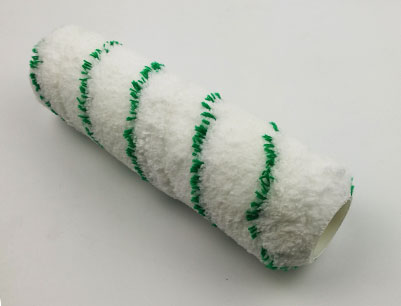
But are microfiber rollers good for ceilings? The answer is yes. Microfiber rollers are widely regarded as one of the best choices for ceiling painting because they offer excellent paint pickup, even paint release, and low lint performance. Whether you're painting a smooth drywall ceiling, a lightly textured ceiling, or a newly plastered surface, microfiber rollers can help you achieve professional-looking results with less effort.
This guide explains why microfiber rollers are ideal for ceilings, how to choose the right nap length, and what factors to consider before starting your next painting project.
Why Microfiber Rollers Are Popular for Ceiling Painting
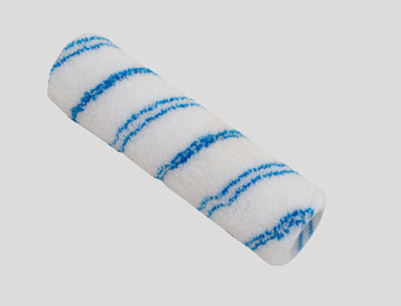
Microfiber paint rollers are manufactured from ultra-fine synthetic fibers that create a dense, absorbent roller cover. Compared with traditional woven polyester or foam rollers, microfiber rollers are designed to hold more paint while releasing it evenly across the surface.
This combination of high paint capacity and smooth application makes them especially suitable for large overhead surfaces such as ceilings.
Some of the biggest advantages include:
Excellent paint absorption
Smooth and uniform paint distribution
Reduced roller marks
Low lint and fiber shedding
Less paint splatter
Faster project completion
Suitable for water-based and latex paints
Benefits of Using Microfiber Rollers on Ceilings
Superior Paint Coverage
One of the biggest challenges when painting ceilings is maintaining consistent coverage without repeatedly dipping the roller into the paint tray.
Microfiber rollers can hold a large amount of paint, allowing users to cover more square footage with each load. This reduces interruptions and improves overall painting efficiency.
Benefits include:
Fewer trips to the paint tray
Faster application
More consistent coating thickness
Reduced arm fatigue
Smooth and Even Finish
Ceilings often receive natural and artificial lighting from different angles. Any uneven paint application may become visible once the paint dries.
Microfiber fibers distribute paint evenly, helping reduce:
Roller lines
Lap marks
Uneven texture
Streaks
The result is a clean, professional finish that looks uniform across the entire ceiling.
Reduced Paint Splatter
Painting overhead naturally increases the chance of paint dripping or splattering onto floors, furniture, and the painter.
High-quality microfiber rollers are known for minimizing splatter because they:
Hold paint securely within the fibers
Release paint gradually
Prevent excessive dripping
This means less cleanup and a more comfortable painting experience.
Low Lint Performance
Low-quality roller covers can leave loose fibers embedded in fresh paint.
Microfiber rollers are manufactured with tightly bonded fibers that significantly reduce lint shedding, making them an excellent choice for ceilings where surface imperfections are more noticeable under lighting.
Excellent Paint Release
Holding paint is only half the equation.
Microfiber rollers are engineered to release paint evenly rather than dumping excess paint onto the surface.
This creates:
Better leveling
Uniform color
Consistent finish
Improved paint efficiency
Choosing the Right Microfiber Roller Nap for Ceilings
The nap length determines how much paint the roller holds and how well it works on different ceiling textures.
| Nap Length | Recommended Ceiling Surface |
|---|---|
| 1/4 inch (6 mm) | Very smooth ceilings, plaster, metal panels |
| 3/8 inch (10 mm) | Smooth drywall ceilings (most common) |
| 1/2 inch (12–13 mm) | Lightly textured ceilings |
| 3/4 inch (18 mm) | Heavy textured ceilings, popcorn ceilings |
| 1 inch (25 mm) | Rough masonry or highly textured surfaces |
For most residential drywall ceilings, a 3/8-inch microfiber roller offers an ideal balance between smooth coverage and paint capacity.
Are Microfiber Rollers Better Than Polyester Rollers?
Both microfiber and polyester rollers perform well, but each has its own strengths.
| Feature | Microfiber Roller | Polyester Roller |
|---|---|---|
| Paint Pickup | Excellent | Good |
| Paint Release | Very Even | Even |
| Splatter Resistance | Excellent | Good |
| Lint Resistance | Excellent | Good |
| Finish Quality | Very Smooth | Smooth |
| Durability | High | High |
| Best For | Ceilings, walls, smooth finishes | General painting projects |
For ceiling painting where smoothness and reduced splatter are priorities, microfiber rollers generally have the advantage.
Best Paint Types for Microfiber Rollers
Microfiber rollers are compatible with many common coatings, including:
Latex paint
Acrylic paint
Water-based paint
Ceiling paint
Primer
Low-VOC coatings
Interior emulsions
Some microfiber rollers can also be used with certain oil-based coatings, depending on the manufacturer's recommendations.
Tips for Painting Ceilings with a Microfiber Roller
Use the Correct Roller Frame
A quality roller frame helps maintain smooth rotation and reduces user fatigue.
Choose a sturdy frame that securely supports the roller cover throughout the project.
Use an Extension Pole
Instead of climbing ladders repeatedly, attach the roller frame to an extension pole.
Benefits include:
Better reach
More consistent pressure
Improved safety
Faster painting
Don't Overload the Roller
Although microfiber rollers hold plenty of paint, overloading them may still lead to drips.
Roll the cover evenly in the paint tray and remove excess paint before applying it to the ceiling.
Paint in Small Sections
Professional painters often work in manageable sections, maintaining a wet edge to avoid visible lap marks.
Rolling in overlapping passes helps produce a consistent finish.
Allow Proper Drying Time
Follow the paint manufacturer's recommended drying times before applying additional coats.
Proper drying improves adhesion and finish quality.
Common Mistakes to Avoid
Even with a high-quality microfiber roller, poor technique can affect the final appearance.
Avoid these common mistakes:
Using the wrong nap length
Applying excessive pressure
Overloading the roller
Allowing paint to dry between sections
Using a worn or damaged roller cover
Skipping surface preparation
Proper preparation and technique are just as important as choosing the right roller.
How to Clean and Reuse a Microfiber Roller
Quality microfiber rollers can often be reused multiple times if cleaned correctly.
For water-based paints:
Rinse the roller under warm running water.
Gently massage the fibers to remove paint.
Continue rinsing until the water runs clear.
Shake out excess water.
Allow the roller to dry completely before storage.
Proper maintenance extends the roller's lifespan and maintains its painting performance.
Who Should Choose Microfiber Rollers?
Microfiber rollers are suitable for a wide range of users, including:
Professional painting contractors
Residential decorators
DIY homeowners
Property maintenance companies
Commercial renovation teams
Building contractors
Their versatility and consistent performance make them a dependable choice for both small and large ceiling painting projects.
Frequently Asked Questions
Are microfiber rollers good for ceiling paint?
Yes. Microfiber rollers are an excellent choice for ceiling paint because they provide smooth coverage, hold more paint, reduce splatter, and create an even finish.
What nap length is best for painting ceilings?
A 3/8-inch (10 mm) microfiber nap is ideal for most smooth drywall ceilings. For textured ceilings, a 1/2-inch or 3/4-inch nap is generally more suitable.
Do microfiber rollers leave lint?
High-quality microfiber rollers produce very little lint because their fibers are tightly bonded during manufacturing. Washing a new roller cover before first use can further reduce the chance of loose fibers.
Can microfiber rollers be reused?
Yes. If cleaned thoroughly after each use and stored properly, microfiber rollers can be reused for multiple painting projects.
Are microfiber rollers better than foam rollers?
For most ceiling painting applications, microfiber rollers outperform foam rollers by offering greater paint capacity, more even coverage, and better results on large surfaces.
Conclusion
Microfiber rollers are one of the best tools available for ceiling painting. Their ability to absorb and release paint evenly, minimize splatter, resist lint, and produce a smooth finish makes them a preferred option for professionals and DIY painters alike. By selecting the appropriate nap length for your ceiling texture and following proper painting techniques, you can achieve efficient application and a high-quality finish with less effort.
Whether you're refreshing a single room or completing a large-scale renovation, investing in a high-quality microfiber paint roller can improve both productivity and painting results, making ceiling projects faster, cleaner, and more professional.