

How to Identify a High-Quality Bristle Paint Brush
Jun. 08, 2026Choosing the right Bristle Paint Brush can make a significant difference in painting efficiency, finish quality, and overall project costs. Whether you are a professional painting contractor, construction company, distributor, retailer, or industrial coatings applicator, investing in a high-quality brush ensures better results and longer service life.
However, with countless options available on the market, identifying a truly high-quality bristle paint brush can be challenging. While many brushes may look similar at first glance, differences in materials, manufacturing processes, and construction quality can greatly impact performance.
This guide explains the key characteristics that distinguish a premium bristle paint brush from lower-quality alternatives and provides valuable insights for buyers looking to make informed purchasing decisions.
Why Brush Quality Matters
A paint brush is more than just a simple application tool. The quality of a brush directly affects:
Paint pickup and release
Surface coverage efficiency
Finish smoothness
Precision and control
Paint consumption
Project completion time
Tool lifespan
A high-quality brush helps users achieve professional results while reducing labor costs and material waste.
Examine the Bristle Material
The bristles are the most important component of any paint brush.
Natural Bristle Paint Brushes
Natural bristles are traditionally made from animal hair and are commonly used for oil-based paints, varnishes, stains, and wood finishes.
High-quality natural bristles offer:
Excellent paint-holding capacity
Superior flexibility
Smooth paint release
Enhanced leveling performance
Premium natural bristles often feature split ends, known as flagged tips, which help create a smoother finish and improve paint distribution.
Synthetic Bristle Paint Brushes
Synthetic bristles are usually made from nylon, polyester, or blended filaments.
Quality synthetic brushes provide:
Excellent durability
Moisture resistance
Shape retention
Consistent performance
Compatibility with water-based coatings
For latex and acrylic paints, high-quality synthetic bristle brushes are often the preferred choice.
Check Bristle Density
One of the easiest ways to identify a quality brush is by examining the bristle density.
A premium brush typically contains more bristles packed tightly together.
Benefits of dense bristle construction include:
Better paint absorption
Improved paint release
Smoother coverage
Enhanced control
Reduced streaking
Low-quality brushes often contain fewer bristles, which can result in uneven application and reduced efficiency.
Look for Flagged Bristle Tips
Flagged tips refer to the fine split ends found on premium bristles.
These split ends help:
Hold more paint
Deliver smoother finishes
Minimize brush marks
Improve paint flow
Professional painters often consider flagged tips a strong indicator of brush quality.
When examining a brush, look closely at the ends of the bristles to determine whether they have been properly processed.
Evaluate Bristle Retention
Loose bristles are a common problem with low-quality brushes.
Bristles that fall out during painting can:
Ruin the finish
Increase cleanup time
Reduce productivity
Damage customer satisfaction
High-quality brushes use advanced epoxy bonding systems and precise manufacturing techniques to secure bristles firmly within the ferrule.
A simple test involves gently pulling several bristles. A quality brush should retain its bristles securely.
Inspect the Ferrule
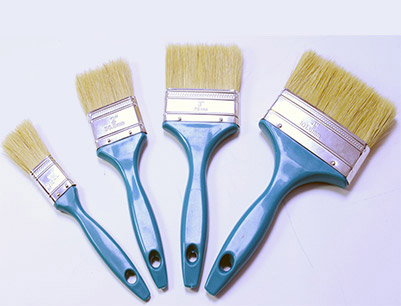
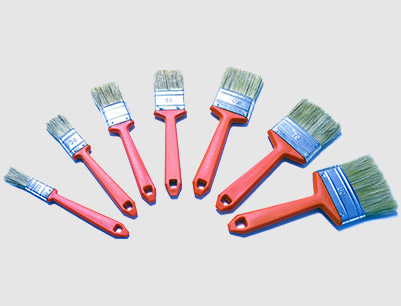
The ferrule is the metal band that connects the bristles to the handle.
Although often overlooked, the ferrule plays a critical role in brush durability and performance.
A high-quality ferrule should:
Be securely attached
Resist corrosion
Maintain structural stability
Prevent bristle loosening
Stainless steel and plated steel ferrules are commonly used in premium brushes because they offer excellent durability and corrosion resistance.
Examine the Handle Quality
The handle contributes significantly to comfort and control during painting.
Premium brushes typically feature:
Smooth finishes
Ergonomic designs
Balanced weight distribution
Durable construction
Common handle materials include:
Wooden Handles
Wooden handles remain popular among professional painters due to their traditional feel and excellent control.
Advantages include:
Comfortable grip
Professional appearance
Strong durability
Plastic Handles
High-quality plastic handles offer:
Water resistance
Lightweight construction
Easy cleaning
Long-term durability
The handle should feel comfortable in the hand and provide secure control during extended use.
Assess Brush Shape and Consistency
A quality brush should display a uniform and symmetrical shape.
Inspect the brush for:
Even bristle alignment
Consistent tapering
Balanced profile
Straight edges
Poorly manufactured brushes may have uneven bristle lengths, irregular shapes, or visible defects that affect painting performance.
Consider Paint Holding Capacity
Professional painters value brushes that hold sufficient paint without excessive dripping.
A premium bristle paint brush should:
Absorb paint effectively
Release paint evenly
Reduce the need for frequent reloading
Improve application efficiency
Higher paint capacity helps increase productivity, especially on large projects.
Test Flexibility and Recovery
Brush flexibility influences control and finish quality.
The ideal brush should provide:
Controlled flexibility
Consistent paint flow
Good responsiveness
Shape recovery after bending
When gently bending the bristles, they should return to their original position without distortion.
Poor-quality brushes may become permanently misshapen after repeated use.
Check for Smooth Paint Application
One of the clearest indicators of brush quality is the finish it produces.
High-quality brushes typically offer:
Smooth coverage
Minimal brush marks
Consistent paint flow
Excellent edge control
Professional painters often evaluate brushes based on their ability to create a uniform finish with minimal effort.
Review Manufacturer Reputation
A reputable manufacturer often provides a higher level of product consistency and quality assurance.
When evaluating suppliers, consider:
Manufacturing experience
Industry certifications
Quality control procedures
Customer reviews
Export capabilities
OEM and private label services
Established manufacturers typically invest more in product development, material selection, and testing processes.
Quality Control Standards Matter
Reliable manufacturers conduct extensive testing throughout production.
Common quality control procedures include:
Bristle retention testing
Ferrule strength testing
Paint application testing
Handle durability testing
Dimensional inspections
Visual quality checks
Strict quality standards help ensure consistent brush performance across large production batches.
Common Signs of a Low-Quality Bristle Paint Brush
Buyers should avoid brushes that exhibit the following characteristics:
Loose or shedding bristles
Thin bristle fill
Weak ferrule attachment
Uneven brush shape
Rough handle finish
Poor paint retention
Inconsistent manufacturing quality
Although these brushes may appear cost-effective initially, they often result in higher replacement costs and reduced painting efficiency.
What Professional Buyers Look for
Distributors, wholesalers, and contractors often evaluate brushes based on:
Durability
Consistency
Finish quality
Paint capacity
User comfort
Manufacturing reliability
These factors contribute directly to customer satisfaction and long-term value.
The Importance of Sampling Before Bulk Orders
For importers and distributors, requesting samples before placing large orders is highly recommended.
Product testing allows buyers to evaluate:
Paint performance
Bristle retention
Handle comfort
Finish quality
Overall durability
A sample evaluation can help identify potential quality issues before committing to a large purchase.
Future Trends in Bristle Paint Brush Manufacturing
The paint brush industry continues to evolve with advancements in materials and production technology.
Current trends include:
Improved synthetic filament technology
Eco-friendly materials
Ergonomic handle innovations
Enhanced bristle retention systems
Sustainable manufacturing practices
These developments are helping manufacturers produce brushes that offer greater durability and improved painting performance.
Conclusion
Identifying a high-quality Bristle Paint Brush requires careful evaluation of bristle material, density, flagged tips, ferrule construction, handle quality, and overall manufacturing consistency. A premium brush not only delivers superior painting results but also provides longer service life and better value over time.
For contractors, distributors, retailers, and industrial buyers, selecting high-quality brushes from trusted manufacturers can improve productivity, reduce costs, and enhance customer satisfaction. By understanding the key indicators of quality, buyers can make informed purchasing decisions and confidently invest in brushes that meet professional performance standards.