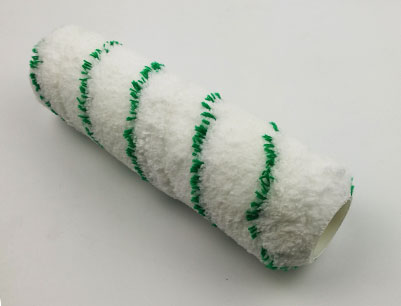


Cohwa supplies 6 inch sponge paint rollers designed for controlled coating application and smooth finishing. Made with high-density foam, this compact paint roller is suitable for roller stenciling, base-coating smooth surfaces, and applying decorative glazes to walls.
The 6 inch foam paint roller can also be used with compatible thin coatings, including varnishes, oil stains, high-gloss paints, and urethane coatings. Its compact width provides greater control for smaller surfaces and detailed finishing tasks, while the PVC core and firmly bonded foam construction support reliable handling during normal use.
For buyers comparing different foam roller designs and sizes, explore our foam paint roller range to review the available product options.
Key Features of Our 6 Inch Sponge Paint Roller
1. High-Density Foam for Smooth Application
The high-density foam surface supports controlled paint application on suitable smooth surfaces. It helps distribute compatible coatings evenly and is particularly useful when a uniform finish is required.
Compared with conventional fabric-covered rollers, foam rollers do not have woven fibers that may shed during application. Proper coating selection and application technique remain important for minimizing bubbles, marks, and uneven coverage.
2. Compact 6 Inch Width for Better Control
The 6 inch roller width provides a practical balance between coverage and handling. It is suitable for smaller painting areas, decorative work, and surfaces where a full-size roller may be difficult to control.
Its compact format is useful for furniture components, cabinet panels, doors, and other accessible smooth surfaces, depending on the coating and finish requirements.
3. Suitable for Various Thin Coatings
This sponge paint roller is designed for applications involving compatible thin coatings, including:
Varnishes for suitable wood surfaces
Oil stains for compatible substrates
High-gloss paints where a smooth finish is required
Urethane coatings approved for the roller material
Coating formulations vary, particularly when solvents are involved. Always confirm material compatibility with the coating manufacturer and test the roller before full-scale application.
4. Water-Resistant PVC Core
The PVC core resists water absorption and helps maintain its shape during normal use. This construction is useful when the roller is used with compatible water-based coatings and when dimensional stability is important.
The core dimensions should be checked against the intended roller frame before purchasing.
5. Firm Foam-to-Core Bonding
The foam is bonded to the core using solvent-resistant adhesive. This construction is designed to keep the foam securely attached during normal application.
Solvent resistance of the adhesive does not mean that every foam formulation is compatible with every solvent-based coating. Confirm the suitability of the complete roller assembly for the intended coating.
6 Inch Sponge Paint Roller Specifications
| Specification | Details |
|---|---|
| Product Name | 6 Inch Sponge Paint Roller |
| Material | High-Density Foam |
| Size | 6" |
| Thickness | 10 mm |
| IN-CORE | 40 mm |
| OUT-CORE | 60 mm |
| Core Material | PVC |
| Bonding | Solvent-Resistant Adhesive |
| Main Applications | Roller Stenciling, Smooth-Surface Base-Coating, Decorative Glazing |
| Other Compatible Coatings | Varnishes, Oil Stains, High-Gloss Paints, and Suitable Urethane Coatings |
Please confirm coating compatibility and roller-frame fit before use. The specifications above follow the current product information.
Applications of 6 Inch Foam Paint Rollers
Roller Stenciling and Decorative Finishes
A compact foam roller can help apply paint through stencils and across decorative patterns. Controlled paint loading is important for reducing paint seepage beneath stencil edges and maintaining clear pattern details.
Furniture and Cabinetry
For suitable smooth surfaces, a 6 inch sponge roller can help distribute compatible coatings across cabinet panels, furniture components, and other relatively small workpieces.
The final result depends on surface preparation, coating viscosity, and the number of coats required.
Doors and Trim Panels
The compact width is useful for accessible flat sections of doors, trim panels, and similar components. For narrow edges or detailed corners, a smaller brush may still be needed.
Varnish and Protective Coating Application
When the coating manufacturer confirms compatibility, the foam roller can be used to apply suitable varnishes and protective finishes. Thin, controlled coats can help reduce uneven buildup and improve finish consistency.
Wall Glazing and Decorative Painting
The roller is suitable for applying compatible decorative glazes to selected wall surfaces. Test the coating and application method on a small area first to assess the desired texture and appearance.
Sponge Paint Roller vs. Fabric Paint Roller
Choosing between foam and fabric rollers depends on the coating, surface, and finish requirements.
| Comparison Factor | Sponge / Foam Paint Roller | Fabric Paint Roller |
|---|---|---|
| Roller surface | High-density foam | Woven or knitted fibers |
| Typical strength | Controlled application on suitable smooth surfaces | Available in a range of pile lengths for different surfaces |
| Common applications | Decorative glazing, smooth-surface finishing, and compatible thin coatings | Walls, ceilings, and surfaces requiring different levels of paint pickup |
| Surface texture | Can provide a smooth finish when correctly selected and used | Depends on fabric type, pile length, and surface condition |
| Selection priority | Foam compatibility, coating viscosity, and finish requirements | Fiber material, nap length, and surface texture |
A foam roller is not automatically the best choice for every coating. For broad walls or textured surfaces, a suitable fabric roller may provide better paint loading and surface coverage. For smooth finishing and selected decorative applications, a foam roller may be more appropriate.
How to Use a 6 Inch Sponge Paint Roller
Step 1: Prepare the Surface
Clean the surface and remove dust, grease, and loose particles. Sand and prime the substrate when required by the coating system.
Step 2: Confirm Coating Compatibility
Check whether the foam material and adhesive are suitable for the intended paint or finish. This is particularly important for solvent-containing products.
Step 3: Load the Roller Evenly
Apply a controlled amount of coating to the foam surface. Avoid excessive loading, which can cause drips, bubbles, or uneven application.
Step 4: Apply Thin, Consistent Coats
Use light, even pressure and maintain a consistent rolling direction. Avoid repeatedly pressing or overworking the same area as the coating begins to set.
Step 5: Inspect the Finish
Check for bubbles, streaks, and uneven buildup under suitable lighting. Follow the coating manufacturer's instructions for drying time and any additional coats.
Step 6: Clean or Replace as Appropriate
Follow the coating manufacturer's cleaning instructions and the roller's material compatibility requirements. Do not soak the roller in solvents unless the complete product is confirmed suitable for that treatment.
Why Choose Cohwa for Sponge Paint Rollers?
Product Specifications for B2B Purchasing
Cohwa provides product information covering size, foam thickness, core dimensions, and construction. These details help buyers assess whether the roller is suitable for their applications and equipment.
Options for Different Painting Requirements
Our painting tool range serves different finishing and decorating needs. Buyers can discuss their intended coatings, target applications, and preferred specifications when evaluating suitable roller products.
Manufacturing and Export Experience
Cohwa supplies painting tools for international markets, including paint brushes, paint rollers, and related decorating products. Learn more about our company background, manufacturing experience, and product focus on our About Us page.
Support for Wholesale Inquiries
For wholesale purchasing, share your required quantity, target market, packaging preferences, and intended application. Our team can review your requirements and confirm available product and purchasing options.
If you are evaluating private-label or customized packaging requirements, include those details in your inquiry so that the available options can be confirmed.
Frequently Asked Questions About 6 Inch Sponge Paint Rollers
1. What is a 6 inch sponge paint roller used for?
It is commonly used for roller stenciling, applying base coats to suitable smooth surfaces, decorative wall glazing, and applying compatible thin coatings such as certain varnishes and stains.
2. What material is this 6 inch foam roller made of?
The roller uses high-density foam bonded to a PVC core. The listed specifications include a 10 mm thickness, a 40 mm IN-CORE dimension, and a 60 mm OUT-CORE dimension.
3. Can a sponge paint roller be used for high-gloss paint?
It can be suitable for compatible high-gloss paints when the coating manufacturer confirms material compatibility. Test the application first to evaluate the finish and check for bubbles or surface marks.
4. Can this roller be used with varnishes and urethane coatings?
The product is intended for compatible varnishes and suitable urethane coatings. Compatibility varies by formulation, so confirm that the foam and adhesive can withstand the specific coating before use.
5. What is the benefit of a PVC roller core?
The PVC core resists water absorption and helps maintain its shape during normal use. Buyers should still confirm the core dimensions and fitting design match their intended roller frame.
6. How can I achieve a smooth finish with a foam roller?
Prepare the surface carefully, use a compatible coating, load the roller evenly, and apply thin coats with consistent pressure. Avoid excessive rolling over areas where the coating has started to dry.
7. What should wholesale buyers confirm before ordering?
Confirm the roller width, foam thickness, core dimensions, coating compatibility, intended application, order quantity, and packaging requirements. For customized orders, provide the required specifications so that availability can be reviewed.