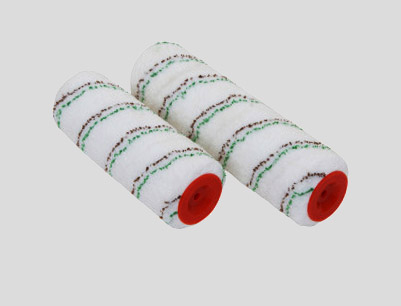


How to Store Microfiber Paint Rollers Properly (Complete Guide for Long-Lasting Performance)
Apr. 17, 2026Microfiber paint rollers are widely used in both professional construction projects and DIY home painting because they deliver smooth coverage, strong paint pickup, and reduced splatter. However, many users overlook one important factor that directly affects performance and cost efficiency: proper storage.
Incorrect storage can lead to hardened fibers, mold growth, lint shedding, and reduced paint absorption. Over time, this shortens roller lifespan and increases project costs.
This guide explains how to store microfiber paint rollers correctly after use, between coats, and for long-term storage—based on practical industry practices used by professional painters.
Why Proper Storage Matters for Microfiber Paint Rollers
Microfiber rollers are made of fine synthetic fibers designed to hold and release paint evenly. When not stored properly, these fibers can:
Dry out and become stiff
Trap dried paint deep inside the nap
Develop mildew in humid environments
Lose shape and rolling smoothness
Shed fibers during next use
For contractors and procurement teams, poor storage often leads to higher replacement frequency and inconsistent finishing quality.
Step 1: Clean the Roller Thoroughly Before Storage
The most important rule is simple: never store a dirty roller.
For water-based paints:
Rinse immediately under running water
Use your hands or a roller cleaner tool to squeeze out paint
Repeat until water runs clear
Shake off excess water
For oil-based paints:
Use appropriate solvent (paint thinner or mineral spirits)
Soak and roll in solvent until paint dissolves
Wash with soap and warm water afterward
Key tip:
Even a small amount of leftover paint can harden and permanently damage microfiber fibers.
Step 2: Dry the Roller Correctly
After cleaning, proper drying prevents mold and deformation.
Best practices:
Spin dry using a roller spinner if available
Press with a clean towel to remove excess moisture
Air dry in a well-ventilated, shaded area
Keep away from direct sunlight and heat sources
Avoid:
Leaving rollers in closed buckets with water
Using hair dryers or heaters (damages fibers)
Step 3: Short-Term Storage (Between Painting Sessions)
If you plan to reuse the roller within 24–48 hours, you don’t need full drying.
Best method:
Wrap the roller tightly in plastic wrap or aluminum foil
Or place it in an airtight plastic bag
Store in a cool place (or refrigerator for water-based paint in hot climates)
This prevents paint from drying inside the fibers.
Step 4: Long-Term Storage (After Project Completion)
For storage longer than a few days or weeks:
1. Ensure it is completely dry
Moisture is the main cause of mold and odor.
2. Store in protective packaging
Use original packaging if available
Or use sealed plastic bags or storage boxes
3. Keep in a controlled environment
Dry
Cool
Low humidity
Away from chemicals and dust
4. Avoid compression
Do not stack heavy objects on rollers, as this will deform the nap structure.
Step 5: Prevent Mold and Odor Issues
Microfiber materials can absorb moisture easily, which may lead to mildew.
To avoid this:
Add silica gel packs in storage boxes
Ensure rollers are fully dry before sealing
Avoid storing in basements or damp warehouses
Periodically check stored inventory in bulk storage environments
Step 6: Industrial Storage Tips for Bulk Buyers & Contractors
For distributors, wholesalers, and construction companies managing large quantities:
Recommended practices:
Store rollers in labeled cartons by nap size and material
Use moisture-proof packaging for export shipments
Implement FIFO (First In, First Out) inventory rotation
Maintain warehouse humidity below 60%
Why it matters:
Bulk microfiber roller inventory is sensitive to environmental conditions, especially during long shipping cycles.
Common Storage Mistakes to Avoid
Many users unintentionally reduce roller lifespan due to simple mistakes:
Storing without cleaning
Leaving in paint trays overnight
Drying under direct sunlight
Using sealed containers while still wet
Folding or bending roller covers
These issues often result in uneven painting and roller replacement before expected lifespan.
How Proper Storage Improves Cost Efficiency
Well-maintained microfiber rollers offer:
Longer usable lifespan
More consistent paint finish
Lower replacement frequency
Reduced project downtime
Better ROI for contractors and distributors
For procurement teams, storage quality directly affects overall painting tool cost structure.
Final Thoughts
Proper storage of microfiber paint rollers is not complicated, but it requires consistency. Cleaning, drying, and storing under controlled conditions significantly extend roller life and maintain professional painting results.
Whether used for residential renovation or large-scale construction projects, good storage habits ensure stable performance and lower long-term costs.