

Where Are Microfiber Paint Rollers Commonly Used?
May. 25, 2026Microfiber paint rollers are widely used across residential, commercial, and industrial painting projects because of their excellent paint absorption, smooth finishing ability, and low splatter performance. Compared with traditional woven rollers, microfiber rollers provide more consistent paint application and improved efficiency, making them a preferred choice for professional painters and DIY users alike.
As modern painting standards continue to demand smoother finishes and faster project completion, microfiber paint rollers have become increasingly popular in many different applications.
This article explores where microfiber paint rollers are commonly used, their advantages in different environments, and why they are considered one of the best roller options for modern coating projects.
What Are Microfiber Paint Rollers?
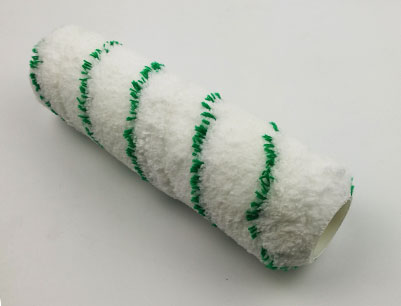
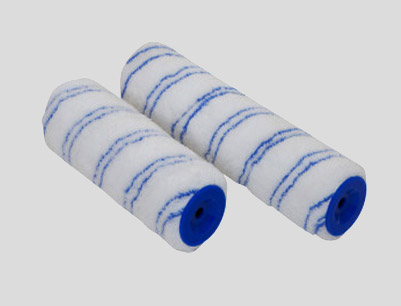
Microfiber paint rollers are roller covers made from ultra-fine synthetic fibers designed to hold and release paint evenly. The dense microfiber structure allows the roller to absorb large amounts of paint while minimizing dripping, splashing, and lint shedding.
Microfiber rollers are available in different nap lengths to suit various surface textures, including:
Smooth walls
Semi-smooth surfaces
Textured walls
Rough masonry
Ceilings and exterior facades
Their versatility makes them suitable for almost every type of painting environment.
Residential Interior Painting
One of the most common uses for microfiber paint rollers is residential interior wall painting.
Homeowners and professional decorators often choose microfiber rollers for:
Living rooms
Bedrooms
Hallways
Kitchens
Bathrooms
Dining rooms
Microfiber rollers create a smooth and uniform finish on drywall and plaster surfaces while reducing visible roller marks.
Why They Work Well for Interior Walls
Interior painting requires clean finishes with minimal texture inconsistency. Microfiber rollers provide:
Even paint distribution
Smooth coating appearance
Reduced splatter on floors and furniture
Faster wall coverage
Low lint contamination
These advantages help improve overall painting quality and reduce cleanup time.
Ceiling Painting Applications
Ceiling painting can be difficult because paint dripping and uneven coverage are common problems.
Microfiber rollers are frequently used for:
Flat ceilings
Textured ceilings
Drywall ceilings
Acoustic ceilings
Their high paint-holding capacity allows painters to work overhead more efficiently with fewer reloads.
Benefits for Ceiling Painting
Less paint dripping
Better overhead control
Smooth ceiling finish
Reduced fatigue during large projects
Professional painters often prefer microfiber ceiling rollers for achieving consistent white ceiling coatings.
Exterior Wall Painting
Microfiber paint rollers are also commonly used for exterior painting projects.
Suitable exterior surfaces include:
Concrete walls
Stucco
Brick
Cement board siding
Masonry facades
Long-nap microfiber rollers perform especially well on textured exterior surfaces because they can reach into surface grooves and irregularities.
Advantages for Exterior Projects
Excellent paint absorption
Faster large-area coverage
Reduced splatter outdoors
Better coating consistency
Improved weather-resistant paint application
Exterior contractors frequently use microfiber rollers for residential houses, commercial buildings, and industrial structures.
Commercial Building Projects
Commercial painting contractors rely heavily on microfiber rollers because of their efficiency and professional finish quality.
Common commercial applications include:
Office buildings
Shopping centers
Hotels
Restaurants
Hospitals
Schools
Retail stores
Large commercial projects require tools that improve productivity without sacrificing finish quality.
Why Commercial Painters Prefer Microfiber Rollers
Faster paint application
Consistent finish across large surfaces
Lower paint waste
Reduced labor costs
Better durability for extended use
Microfiber rollers help commercial contractors complete projects more efficiently while maintaining high visual standards.
Industrial Painting Applications
Industrial environments often require durable coating systems applied over concrete, metal, and protective surfaces.
Microfiber paint rollers are used in:
Warehouses
Manufacturing facilities
Factories
Storage buildings
Workshops
Industrial maintenance projects
They are suitable for applying primers, protective coatings, and industrial paints.
Industrial Painting Benefits
Handles thicker coatings well
Strong paint loading capacity
Efficient coverage on large surfaces
Reduced roller shedding
Better coating uniformity
For industrial repainting and maintenance, microfiber rollers improve both speed and coating performance.
Cabinet and Furniture Painting
Short-nap microfiber rollers are commonly used for smooth surface finishing on furniture and cabinetry.
Applications include:
Wooden cabinets
Closet doors
Shelving units
Furniture refinishing
Decorative panels
Microfiber rollers help create fine finishes with minimal stipple texture.
Advantages for Furniture Projects
Smooth paint leveling
Reduced brush marks
Minimal lint release
Professional finish quality
Many painters use microfiber rollers alongside spray systems for detailed finishing work.
Door and Trim Painting
Microfiber paint rollers are ideal for painting:
Interior doors
Exterior doors
Window frames
Baseboards
Trim work
Small microfiber rollers provide excellent control and smooth paint application on narrow surfaces.
Benefits for Trim and Doors
Smooth enamel finishes
Better edge control
Reduced roller marks
Cleaner appearance
These rollers are especially popular for semi-gloss and satin coatings.
DIY Home Improvement Projects
DIY users often prefer microfiber rollers because they are easier to control and create professional-looking results even for beginners.
Popular DIY uses include:
Accent walls
Room repainting
Garage painting
Fence coating
Home renovation projects
Microfiber rollers simplify the painting process while reducing mess and touch-up work.
Waterproofing and Protective Coatings
Microfiber rollers are commonly used for applying specialty coatings such as:
Waterproof membranes
Elastomeric coatings
Protective sealers
Anti-mold coatings
Roof coatings
Their ability to hold thick coatings makes them suitable for demanding protective applications.
Best Surface Types for Microfiber Rollers
Microfiber rollers work well on many surfaces, including:
Smooth Surfaces
Drywall
Plaster
Wood panels
Cabinets
Semi-Smooth Surfaces
Lightly textured walls
Interior ceilings
Primed concrete
Rough Surfaces
Stucco
Brick
Masonry
Exterior concrete
Different nap lengths should be selected depending on surface texture.
Advantages of Microfiber Paint Rollers
High Paint Capacity
Microfiber absorbs more paint than many traditional roller materials, improving painting efficiency.
Smooth Finish Quality
The fine fibers create a more uniform coating appearance with fewer roller marks.
Reduced Splatter
Microfiber minimizes dripping and paint splashing, helping maintain cleaner work areas.
Low Lint Shedding
High-quality microfiber rollers release fewer fibers into the paint finish.
Improved Productivity
Painters can complete projects faster because of better paint transfer efficiency.
Choosing the Right Microfiber Roller
Short Nap Rollers
Best for:
Smooth walls
Cabinets
Doors
Fine finishes
Medium Nap Rollers
Best for:
Standard interior walls
Ceilings
Moderate textures
Long Nap Rollers
Best for:
Exterior stucco
Brick
Rough concrete
Heavy texture surfaces
Conclusion
Microfiber paint rollers are commonly used in residential, commercial, and industrial painting projects because of their excellent paint absorption, smooth finishing performance, and low splatter characteristics.
From interior walls and ceilings to exterior facades and industrial maintenance, microfiber rollers offer versatility, efficiency, and professional-quality results across a wide range of applications. Their ability to work with different paint types and surface textures makes them one of the most popular painting tools in the global coatings industry.
Whether for professional contractors or DIY homeowners, microfiber paint rollers remain a reliable solution for achieving faster application, cleaner finishes, and long-lasting painting performance.