

Are Microfiber Paint Rollers Suitable for Exterior Walls?
May. 25, 2026When painting exterior walls, choosing the right paint roller can significantly affect coating quality, work efficiency, and long-term durability. Among the many roller materials available today, microfiber paint rollers have become increasingly popular for exterior painting projects because of their excellent paint absorption, smooth finish, and versatility.
But are microfiber paint rollers truly suitable for exterior walls?
The answer is yes. Microfiber rollers are widely used for exterior wall painting across residential, commercial, and industrial projects. Their advanced fabric structure allows painters to achieve better paint coverage, reduced splatter, and more uniform finishes compared with many traditional roller materials.
This article explains why microfiber paint rollers work well for exterior surfaces, their advantages, ideal applications, and how to choose the right microfiber roller for different outdoor painting projects.
What Are Microfiber Paint Rollers?
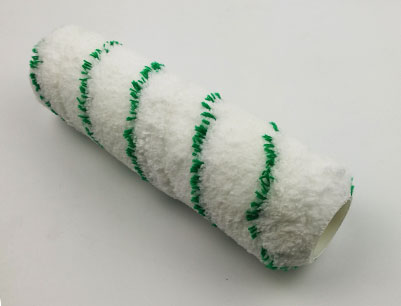
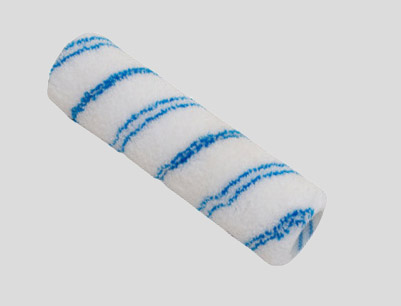
Microfiber paint rollers are made from ultra-fine synthetic fibers, usually polyester blends, designed to hold and release paint efficiently. The dense microfiber fabric creates a smooth and even application while minimizing lint and paint splashing.
Compared with traditional woven or foam rollers, microfiber rollers offer:
Higher paint pickup capacity
Better paint release consistency
Reduced dripping and splatter
Smooth surface finishing
Improved durability during large painting projects
Because exterior wall painting often involves rough surfaces, weather-resistant coatings, and large coverage areas, microfiber rollers have become a preferred option for many professional painters and contractors.
Why Microfiber Paint Rollers Are Ideal for Exterior Walls
Excellent Paint Absorption
Exterior wall coatings are usually thicker than interior paints. Acrylic exterior paints, elastomeric coatings, masonry paints, and waterproof coatings require rollers that can carry a large amount of material.
Microfiber paint rollers absorb more paint than many standard rollers, helping painters:
Cover larger areas faster
Reduce frequent dipping
Improve painting efficiency
Achieve consistent coating thickness
This is especially important for large exterior facades, concrete walls, stucco, brick surfaces, and commercial buildings.
Smooth and Uniform Finish
One of the major advantages of microfiber rollers is their ability to create a consistent paint film. Exterior walls exposed to sunlight can easily reveal uneven roller marks or texture inconsistencies.
Microfiber rollers help produce:
Smooth wall appearance
Uniform color distribution
Reduced streaking
Minimal lap marks
This makes them suitable for both modern architectural finishes and high-end residential exterior projects.
Reduced Paint Splatter
Exterior painting often requires working on ladders, scaffolding, or elevated platforms. Excessive paint splatter not only wastes coating material but also increases cleanup time.
Microfiber paint rollers significantly reduce splashing during application because the fine fibers hold paint more securely.
Benefits include:
Cleaner work environment
Less paint waste
Easier exterior painting process
Improved safety during elevated work
Professional contractors frequently prefer microfiber roller covers for this reason alone.
Suitable for Multiple Exterior Surface Types
Microfiber paint rollers can be used on a wide range of outdoor wall materials, including:
Concrete Walls
Microfiber rollers provide excellent adhesion and smooth paint distribution on concrete surfaces.
Stucco and Textured Walls
Long nap microfiber rollers can penetrate textured exterior surfaces effectively.
Brick Surfaces
They help apply masonry coatings evenly between surface grooves.
Cement Fiber Board
Microfiber rollers reduce lint and create a professional finish on siding panels.
Exterior Drywall
Shorter nap microfiber rollers work well on smooth outdoor wall sections.
Choosing the Right Microfiber Roller for Exterior Painting
Not all microfiber rollers are the same. The correct roller nap length depends on wall texture and coating type.
Short Nap Microfiber Rollers
Typically 6mm to 10mm.
Best for:
Smooth exterior walls
Metal surfaces
Exterior doors
Fine finish coatings
Advantages:
Smoother finish
Lower texture buildup
Better for thin coatings
Medium Nap Microfiber Rollers
Typically 10mm to 15mm.
Best for:
Standard exterior walls
Lightly textured concrete
Exterior acrylic painting
Advantages:
Balanced paint capacity
Good coverage efficiency
Versatile outdoor application
Long Nap Microfiber Rollers
Typically 18mm to 25mm.
Best for:
Stucco walls
Rough masonry
Brick surfaces
Heavy textured coatings
Advantages:
Better penetration into rough surfaces
Higher paint holding capacity
Faster large-area coverage
Best Paint Types for Microfiber Exterior Rollers
Microfiber paint rollers are compatible with many outdoor coating systems, including:
Exterior acrylic paints
Latex wall paints
Elastomeric waterproof coatings
Masonry paints
Primers and sealers
Weather-resistant coatings
Anti-mildew exterior paints
Their versatility makes them suitable for both residential repainting and industrial exterior maintenance.
Advantages of Using Microfiber Rollers for Exterior Projects
Faster Project Completion
Because microfiber rollers hold more paint, painters spend less time reloading and more time covering surfaces.
This improves:
Labor productivity
Painting speed
Overall project efficiency
Better Durability
High-quality microfiber rollers resist wear during large outdoor projects. They maintain fiber integrity even after extended use with rough exterior coatings.
Professional-grade microfiber rollers often provide:
Longer service life
Better resistance to shedding
Stable rolling performance
Professional-Level Results
For contractors and painting companies, surface finish quality directly affects customer satisfaction.
Microfiber rollers help achieve:
Cleaner coating appearance
Uniform wall texture
Reduced touch-up work
Higher-end decorative finishes
Are Microfiber Rollers Better Than Traditional Rollers?
In many exterior wall applications, microfiber rollers outperform standard woven rollers because they:
Hold more paint
Produce smoother finishes
Generate less splatter
Reduce lint contamination
Improve application consistency
However, extremely rough masonry surfaces may still require specialized heavy-texture rollers depending on the coating system used.
Tips for Using Microfiber Paint Rollers on Exterior Walls
To maximize painting performance, follow these professional tips:
Pre-Wet the Roller
Slightly dampening the microfiber roller before use improves paint loading consistency.
Use High-Quality Exterior Paint
Premium exterior coatings work best with microfiber rollers and provide better weather resistance.
Match Roller Nap to Surface Texture
Incorrect nap length can lead to uneven coverage or excessive texture.
Avoid Overloading the Roller
Although microfiber holds more paint, excessive loading may still cause dripping.
Clean Rollers Properly After Use
Proper cleaning extends roller lifespan and maintains application quality for future projects.
Common Exterior Projects Using Microfiber Paint Rollers
Microfiber rollers are commonly used for:
Residential exterior repainting
Commercial building facades
Apartment complex maintenance
Industrial plant walls
Warehouse painting
Exterior waterproofing systems
Fence and masonry coating applications
Their flexibility and efficiency make them one of the most widely used roller materials in the painting industry.
Conclusion
Microfiber paint rollers are highly suitable for exterior wall painting thanks to their superior paint absorption, smooth finish performance, reduced splatter, and adaptability across different wall textures.
Whether working on concrete, stucco, brick, or siding surfaces, microfiber rollers help painters achieve faster coverage and professional-quality results. By selecting the correct nap length and using high-quality exterior coatings, contractors and homeowners can improve painting efficiency while ensuring long-lasting outdoor finishes.
As exterior coating technologies continue evolving, microfiber paint rollers remain one of the most reliable and cost-effective tools for modern exterior painting projects.