

Big Paint Brushes: How to Choose the Right Large Brush for Faster, Cleaner Painting
Aug. 13, 2026When a painting project involves large walls, fences, decks, timber surfaces, industrial structures, or broad decorative areas, using a small brush can quickly become inefficient. Big paint brushes are designed to cover more surface area with every stroke, helping painters work faster while maintaining consistent paint distribution.
However, a bigger brush is not automatically a better brush. Width, bristle material, paint compatibility, handle design, paint-holding capacity, and surface texture can all affect the final result.
This guide explains what big paint brushes are, where they work best, how to choose the right type, and what professional buyers should consider when sourcing large paint brushes.
What Are Big Paint Brushes?
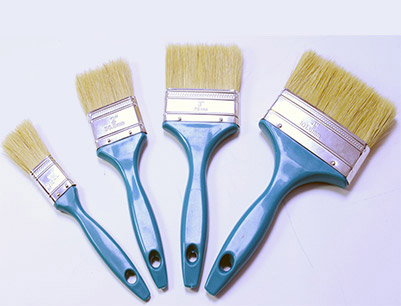
Big paint brushes are wide painting brushes designed for covering medium to large surfaces efficiently. Depending on the manufacturer and application, large brushes may be available in widths such as:
3 inches
4 inches
5 inches
6 inches
8 inches
10 inches or larger
They may also be described as:
large paint brushes
wide paint brushes
large wall paint brushes
block brushes
masonry brushes
deck staining brushes
fence paint brushes
industrial paint brushes
Unlike standard trim brushes, big brushes normally contain a greater volume of bristles and can hold considerably more coating. This makes them suitable for jobs where productivity and coverage are more important than extremely fine detailing.
Why Use a Big Paint Brush?
The main advantage of a large paint brush is simple: greater coverage per stroke.
For professional painters, contractors, decorators, and industrial users, this can translate into shorter application times and fewer repeated dips into the paint container.
Faster Coverage
A wider brush covers more surface area than a conventional 1- or 2-inch brush. This is particularly useful when painting:
large wooden panels
fences
exterior walls
masonry
ceilings
decks
sheds
industrial surfaces
Higher Paint-Holding Capacity
Large brushes typically contain more filament. A properly designed brush can therefore load more paint and release it gradually during application.
Better paint pickup and release can reduce the number of times the painter needs to reload the brush.
Better for Rough Surfaces
Rollers work efficiently on many flat surfaces, but they may struggle to push coatings deeply into cracks, joints, grooves, and irregular textures.
Large brushes can be particularly useful for:
rough timber
brick
concrete
textured walls
fences
decking
masonry
The bristles help work the coating into uneven areas that a roller may pass over.
Greater Control Than Spraying
Spray painting can be extremely fast, but it also requires preparation, masking, equipment cleaning, and overspray control.
For some medium-sized projects, a big paint brush provides a practical compromise between speed and control.
Common Applications of Big Paint Brushes
The ideal brush design depends heavily on the coating and the surface being painted.
Wall Painting
Large wall paint brushes are useful for broad interior and exterior areas, particularly when the wall has significant texture.
A 4- to 6-inch brush may provide a good balance between coverage and control.
For very smooth walls, rollers are often faster, but brushes remain useful around irregular areas and surfaces where paint needs to be worked into the substrate.
Fence Painting
Wooden fences contain edges, gaps, grain, joints, and irregular sections that can make roller application difficult.
A big paint brush for fences can push stain or paint between boards while coating the visible surface simultaneously.
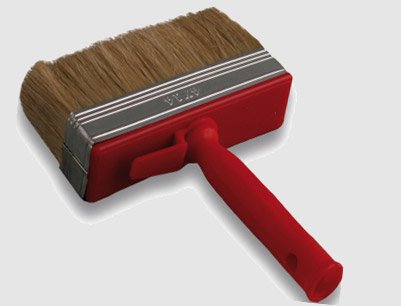
Large block-style brushes are especially practical for repetitive fence painting.
Deck Staining
Deck coatings need to reach wood grain, cracks, board joints, and textured areas.
Wide deck brushes can distribute stains, oils, sealers, and protective coatings while helping the liquid penetrate the timber.
Brushes used for deck staining commonly feature:
wide brush heads
high paint capacity
durable synthetic or blended filaments
long or extension-compatible handles
Masonry Painting
Brick, concrete, cement, and other masonry surfaces can be highly textured.
Large masonry brushes generally use stronger filaments that can withstand repeated contact with abrasive surfaces.
A good masonry brush should distribute coatings into pores and irregular textures rather than simply laying paint on the highest points.
Furniture and Wood Finishing
Not every big paint brush is intended for walls.
Wide brushes may also be used for:
wooden tables
cabinets
doors
furniture panels
timber structures
For smooth furniture finishes, however, filament quality becomes especially important because poor-quality bristles can leave visible brush marks.
Industrial Coating
Industrial maintenance frequently involves painting steel frames, machinery, pipes, storage structures, containers, equipment, and fabricated components.
Large industrial brushes may be designed for:
protective coatings
primers
enamels
anti-corrosion coatings
epoxy-compatible applications
maintenance paints
Durability and solvent resistance become important considerations in these environments.
What Size Paint Brush Should You Choose?
One of the most common mistakes is choosing the largest brush available simply because it appears faster.
The correct brush width depends on the surface.
| Brush Width | Typical Applications |
|---|---|
| 1–2 inch | Trim, corners, narrow areas |
| 2.5–3 inch | Doors, furniture, general painting |
| 4 inch | Walls, timber, fences, broad surfaces |
| 5–6 inch | Large walls, decks, masonry, fences |
| 7–8 inch | Large-area coating and industrial use |
| 10 inch+ | Specialized large-area applications |
A wider brush increases coverage, but it also becomes heavier after absorbing paint.
For long-duration professional work, excessive brush weight can increase hand and wrist fatigue. The most productive brush is therefore not necessarily the widest one—it is the brush that balances coverage, paint capacity, control, and comfort.
Natural vs. Synthetic Bristles
Bristle material is one of the most important factors when selecting big paint brushes.
Natural Bristle Paint Brushes
Natural-bristle brushes traditionally use animal hair or natural fibers.
They are commonly associated with:
oil-based paints
varnishes
stains
certain solvent-based coatings
Natural bristles can offer excellent paint pickup and smooth coating release.
However, they are generally unsuitable for water-based coatings because natural fibers can absorb water, swell, and lose their intended shape.
Synthetic Paint Brushes
Synthetic brushes commonly use materials such as:
polyester
nylon
PET
PBT
mixed synthetic filaments
They are widely used with modern water-based coatings because they retain their shape more effectively when exposed to water.
High-quality synthetic filaments may also be engineered with tapered or flagged tips to improve coating pickup and produce a smoother finish.
Blended Bristles
Some professional brushes combine different filament types to balance:
stiffness
flexibility
coating capacity
release performance
durability
The correct blend depends on the target coating and application.
Big Paint Brushes for Water-Based Paint
Water-based paints are widely used for walls, furniture, timber, and architectural projects.
For these coatings, synthetic filament brushes are generally preferred.
A quality large brush for water-based paint should:
maintain its shape after repeated loading
resist excessive swelling
spread paint evenly
provide consistent release
minimize loose filament
clean easily after use
Polyester and nylon-based filaments are common options.
The exact formulation of the filament blend can significantly affect brush stiffness and finish quality.
Big Paint Brushes for Oil-Based Paint
Oil-based coatings often require different brush characteristics.
Natural bristles have traditionally been popular because their microscopic surface structure helps retain and release oil-based coatings.
However, modern synthetic filaments may also be formulated for oil-based applications.
When selecting a large brush for oil-based paint, consider:
solvent resistance
filament softness
paint-holding capacity
coating viscosity
surface smoothness
cleaning requirements
For professional or industrial coatings, compatibility should always be confirmed with the brush supplier.
Brush Stiffness Matters
A large paint brush can contain hundreds or thousands of individual filaments. Their stiffness has a major impact on performance.
Soft Brushes
Softer filaments are useful when:
a smoother finish is required
the coating flows easily
the surface is relatively smooth
Too much softness, however, can make a very large brush difficult to control.
Medium-Stiff Brushes
Medium stiffness provides a practical balance for general-purpose painting.
These brushes can work well for:
walls
wood
fences
general maintenance
Stiff Brushes
Stiffer brushes are better suited to:
masonry
rough timber
heavy coatings
textured surfaces
They help push paint deeper into uneven substrates.
Paint Pickup and Release: An Important Quality Indicator
Two brushes with the same dimensions can perform very differently.
One of the biggest differences is paint pickup and release.
Paint pickup describes how much coating the brush can absorb or retain when dipped.
Paint release describes how consistently the brush transfers that coating onto the surface.
A well-designed large brush should achieve both.
If a brush holds very little paint, the painter must reload constantly.
If it holds paint but releases it poorly, users may experience:
uneven coverage
excessive brush marks
paint accumulation near the ferrule
increased effort during application
Professional brush design therefore involves much more than simply adding additional bristles.
What Makes a High-Quality Big Paint Brush?
Several components determine overall brush performance.
High-Quality Filaments
Filaments should provide appropriate:
stiffness
elasticity
taper
paint capacity
coating release
durability
Poor filaments may bend permanently or become uneven after limited use.
Secure Ferrule
The ferrule connects the filament bundle to the handle.
A strong ferrule helps prevent:
filament shedding
loosening
brush deformation
premature failure
Materials may include stainless steel, tin-plated steel, or other corrosion-resistant options depending on the brush design.
Comfortable Handle
Big brushes become substantially heavier after they are loaded with paint.
An ergonomic handle can reduce fatigue during long painting sessions.
Common handle materials include:
wood
plastic
rubberized materials
composite materials
Professional models may also feature shaped grips for improved control.
Consistent Bristle Density
Insufficient filament density can reduce coating capacity and produce uneven application.
Excessive filament density may make the brush unnecessarily heavy or affect paint release.
Manufacturers therefore need to balance filament quantity with brush width, thickness, and intended coating.
Low Bristle Loss
Loose bristles can become embedded in wet paint and create additional finishing work.
Professional buyers should therefore evaluate filament anchoring and shedding performance when comparing suppliers.
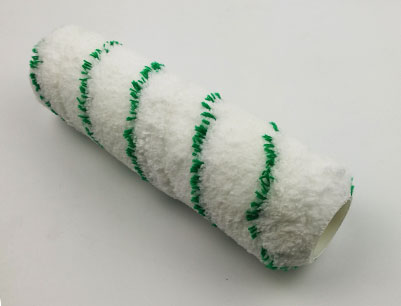
Big Paint Brush vs. Roller
Should you use a large paint brush or a roller?
The answer depends on the surface.
| Factor | Big Paint Brush | Roller |
|---|---|---|
| Flat wall coverage | Good | Excellent |
| Rough surfaces | Excellent | Moderate |
| Working paint into cracks | Excellent | Limited |
| Speed on smooth walls | Moderate | Excellent |
| Paint control | Excellent | Good |
| Edges and irregular surfaces | Good | Limited |
| Cleaning | Relatively simple | Relatively simple |
For many professional projects, painters use both.
A roller quickly coats large flat sections, while brushes handle edges, textured areas, corners, and difficult surfaces.
Big Paint Brush vs. Paint Sprayer
Paint spraying can cover large areas extremely quickly, but there are additional considerations.
Sprayers may require:
masking
dilution or coating preparation
equipment setup
compressor or power equipment
nozzle maintenance
overspray protection
more extensive cleanup
Large brushes require less equipment and allow painters to control exactly where the coating goes.
For fences, maintenance painting, timber structures, masonry, and smaller industrial jobs, brushing may remain highly practical.
How to Use a Big Paint Brush Properly
Even a premium brush can perform poorly when used incorrectly.
1. Prepare the Surface
Remove:
dust
dirt
loose paint
grease
rust where applicable
A clean surface improves coating adhesion.
2. Condition the Brush When Appropriate
For some brushes and coating systems, slightly conditioning the filament before use may improve performance.
Always follow the paint and brush manufacturer's recommendations.
3. Avoid Overloading
Dip only enough of the filament length to load the brush properly.
Submerging the entire brush head can push unnecessary paint into the ferrule, making cleaning more difficult.
4. Remove Excess Paint
Gently tap or wipe excess coating against the container.
Avoid aggressively scraping the brush because it may remove too much paint.
5. Apply Consistent Strokes
Spread the paint evenly using controlled strokes.
For wood surfaces, finishing along the direction of the grain can help produce a cleaner appearance.
6. Avoid Excessive Pressure
Pressing too hard can spread the filaments excessively and reduce coating control.
Let the brush tips perform most of the application work.
How to Clean Large Paint Brushes
Proper cleaning can significantly extend brush life.
For water-based paint:
Remove excess paint.
Rinse the brush with clean water.
Work water through the filament bundle.
Continue rinsing until the water runs clear.
Reshape the brush.
Allow it to dry correctly.
For oil-based coatings, use the cleaning solvent recommended by the coating manufacturer.
Never store a brush while its filaments remain compressed or deformed.
How to Store Big Paint Brushes
Professional paint brushes can often be reused many times when cared for properly.
After cleaning:
reshape the bristles
allow the brush to dry
keep the bristles straight
avoid placing heavy objects on the brush
store in a dry environment
use the original brush keeper or protective packaging when available
Correct storage helps maintain the brush profile and prevents bent filaments.
Common Problems With Large Paint Brushes
Brush Marks
Possible causes include:
filament that is too stiff
paint that is too thick
excessive brushing
poor-quality filament
coating beginning to dry during application
Choosing the right filament and using proper technique can reduce visible marks.
Bristle Shedding
Occasional loose fibers may occur, especially with inexpensive brushes. Excessive shedding, however, often indicates poor filament anchoring or manufacturing quality.
Uneven Paint Release
This can result from inconsistent filament distribution, incorrect brush design, or unsuitable bristle material.
Brush Becoming Too Heavy
Large brushes absorb substantial amounts of paint.
For extended projects, choosing a slightly narrower brush or an ergonomically designed handle may improve productivity.
Filaments Losing Their Shape
Low-quality fibers may permanently bend after repeated use.
Good synthetic filaments should offer sufficient recovery and elasticity for their intended application.
What Should Professional Buyers Look for When Purchasing Big Paint Brushes?
For distributors, hardware retailers, painting-tool brands, contractors, and wholesalers, purchasing criteria extend beyond brush width.
Important specifications can include:
Brush Size
Confirm:
brush width
filament length
brush thickness
overall brush dimensions
Filament Material
Determine whether the brush will use:
polyester
nylon
PET
PBT
natural bristle
blended filament
Target Coating
Specify compatibility with:
water-based paint
oil-based paint
stain
varnish
primer
masonry coatings
industrial coatings
Filament Density
Higher filament volume can increase paint capacity, but brush weight and release characteristics should also be considered.
Handle Material and Shape
Consider ergonomics as well as target market positioning.
A professional contractor brush may require a different handle design from an entry-level DIY product.
Ferrule Material
Ferrule construction affects durability, corrosion resistance, and appearance.
Packaging
Wholesale and private-label buyers may require:
individual sleeves
paper boxes
display boxes
hang tags
retail-ready packaging
master cartons
Custom Big Paint Brushes for Private Label Brands
For paint-tool importers, distributors, wholesalers, and established hardware brands, customization can help create a differentiated product range.
Depending on the manufacturer, customization may include:
brush width
filament material
filament blend
filament color
filament length
handle material
handle shape
handle color
logo printing
laser marking
ferrule construction
packaging
retail branding
A brand selling professional masonry tools, for example, may need a very different large brush from a company targeting decorative interior painting.
Customization allows the brush structure to be matched more closely to the intended coating, user, price segment, and distribution channel.
How to Evaluate a Big Paint Brush Supplier
For bulk purchasing, unit price should not be the only consideration.
A reliable paint brush manufacturer should be able to provide clear information about:
brush specifications
filament composition
available dimensions
coating compatibility
customization capabilities
sample availability
MOQ
production capacity
lead time
quality inspection
packaging options
Samples are particularly valuable.
Testing an actual brush makes it possible to evaluate paint loading, release, filament recovery, shedding, handle comfort, and finish quality before placing a larger order.
Frequently Asked Questions About Big Paint Brushes
What size paint brush is best for large areas?
For many general painting jobs, a 4- to 6-inch brush provides a useful balance between coverage and control. Larger 7-, 8-, or 10-inch brushes may be more appropriate for specialized wall, masonry, deck, or industrial applications.
Are big paint brushes better than rollers?
Not necessarily. Rollers are often faster on smooth, flat surfaces, while big paint brushes perform particularly well on rough, irregular, grooved, or textured surfaces.
What is the best big paint brush for fences?
A wide block or fence brush with good coating capacity and medium-to-stiff synthetic filaments is often suitable. The ideal design depends on whether you are applying paint, stain, oil, or another coating.
Can large paint brushes be used with water-based paint?
Yes. Synthetic filament brushes are commonly recommended because materials such as polyester and nylon maintain their shape better in water-based coatings.
Can I use a big paint brush for deck stain?
Yes. Wide brushes are commonly used for deck stains and timber treatments because they can work coatings into wood grain and joints.
What is the difference between a block brush and a normal paint brush?
A block brush generally has a larger, thicker brush head designed to carry substantial quantities of coating and cover wide or rough surfaces. Standard brushes are usually narrower and provide greater precision.
Why do paint brush bristles fall out?
Bristle loss can result from weak anchoring, low-quality manufacturing, damaged filaments, or wear. Reliable professional brushes should minimize excessive shedding.
Are synthetic or natural paint brushes better?
Neither is universally better. Synthetic filaments are highly suitable for water-based coatings, while natural bristles have traditionally been preferred for many oil-based paints and finishes.
Final Thoughts
Big paint brushes can significantly improve painting efficiency when they are matched correctly to the surface and coating. Their wide heads, greater filament volume, and high paint-holding capacity make them particularly valuable for walls, fences, decks, masonry, timber structures, and industrial maintenance.
The most effective large brush is not simply the widest option available. Buyers should evaluate brush width, filament type, stiffness, coating compatibility, paint pickup and release, handle comfort, shedding resistance, and overall construction quality.
For contractors and professional painters, these factors determine application efficiency and finish quality. For distributors, wholesalers, and private-label brands, they also determine customer satisfaction, repeat purchases, and long-term product competitiveness.
Choosing the right big paint brush therefore means finding the best balance between coverage, control, durability, comfort, and coating performance.